As an Amazon Associate, we earn from qualifying purchases. Some links on this site are affiliate links at no extra cost to you. Our recommendations are based on thorough research and editorial judgment.

Understanding When Massage May Not Be Appropriate

Massage therapy can be a game-changer for relaxation, but it’s important to know when it might not be appropriate for us. 1) Common Contraindications: We should avoid massage if we have a fever over 100.4°F or skin infections. 2) Health Conditions: Those on blood thinners or with deep vein thrombosis need medical clearance. 3) Pregnancy Caution: If pregnant, consulting our healthcare provider is essential. Want to discover more about safe massage practices? Let’s explore together!
Key Takeaways
- Avoid massage therapy if you have a fever of 100.4ºF or higher to prevent worsening health issues.
- Consult a healthcare provider for skin infections or open wounds before considering massage.
- Blood thinners or conditions like deep vein thrombosis require medical clearance to safely receive massage therapy.
- Clients with acute infections, serious health conditions, or autoimmune flare-ups should postpone massage to avoid exacerbating symptoms.
- Pregnant clients should consult their healthcare provider and consider prenatal massage only with qualified professionals for safety.
Common Contraindications for Massage
- Fever and Infection: If we have a fever of 100.4ºF or higher, we should avoid massage therapy to prevent worsening our health concerns. It’s important to note that acupressure pillows can provide an alternative form of relief without the need for direct contact that massage requires.
- Skin Issues: Skin infections or open wounds are signals to consult a healthcare provider before receiving massage.
- Blood Clots: If we’re on blood thinners or have deep vein thrombosis, it’s crucial to understand that massage is contraindicated without medical clearance.
You may be interested


Always prioritize health; feeling great later starts with making informed choices today!
Specific Health Conditions Impacting Massage Safety

When considering massage therapy, it’s crucial to recognize specific health conditions that can impact safety and effectiveness. We should avoid massage during acute infections or contagious skin conditions to prevent further complications. Clients with deep vein thrombosis need medical clearance, as massage may dislodge blood clots, leading to serious issues. Those with severe osteoporosis should opt for gentle techniques, avoiding strong pressure that risks fractures. If experiencing autoimmune flare-ups, it’s wise to postpone massage to reduce pain sensitivity. Finally, active cancer patients must consult with their oncologist about the safety of therapeutic massage during treatments. Additionally, zero gravity positions in massage chairs can enhance relaxation and comfort, but individuals with certain medical conditions should seek advice from a healthcare provider before use. Understanding these factors helps guarantee a safe massage experience!
Recommended Products

Back Massager with Heat & Customizable Vibration Modes:COMFIER back massager with heat features 4 vibration intensity levels and 5 massage modes. With 8 built-in motors targeting the neck, back, waist, and thighs, this massage chair pad provides a tailored and full-body experience. Enjoy your personalized comfort at the end of a long day. (Only vibration massage, without shiatsu and roller.)

Sturdy Structure: This massage chair portable is made of high-quality frame with a powder coating on the surface. Lightweight, high-strength, high-quality, rust resistant, and wear-resistant, it has a durable structure. Weight capacity: up to 250 Lbs
The Importance of Client Communication

Understanding health conditions impacting massage safety is just the starting point. Communication between clients and therapists is essential. Here’s why it matters:
1. Open Dialogue****: Clients should inform therapists about any current medications, health conditions, or recent medical procedures affecting massage therapy safety.
2. Regular Check-Ins****: Engaging in regular check-ins during a session allows us to adjust techniques based on your discomfort levels—ensuring a truly client-centered experience.
3. Voice Your Concerns****: It’s important to voice concerns about any symptoms that developed since the last visit, allowing us to modify treatment plans effectively.
4. Share Preferences****: Expressing personal preferences on pressure or areas to focus on greatly enhances your overall satisfaction with the massage experience.
5. Consideration of Tools: Clients may also benefit from discussing the use of therapeutic back stretcher massagers which can aid in relaxation and pain relief, complementing massage sessions.
Let’s work together to make every session safe and enjoyable!
Considerations for Pregnant Clients
Pregnancy is an exciting journey, and while a soothing massage can be a wonderful treat, we should prioritize safety for both mom and baby. 1. Consult Your Healthcare Provider: Always check with your healthcare provider before considering prenatal massage, especially during high-risk pregnancies. 2. Timing Matters: Massage is generally not recommended during the first trimester due to risks like uterine contractions. 3. Qualified Professionals: Opt for prenatal massage only from trained, certified professionals who understand the nuances of pregnancy. 4. Be Aware of Pressure Points: Certain pressure points can stimulate the uterus, so caution is essential. 5. Communication is Key: We encourage you to share your health history openly; this helps assess the appropriateness of massage therapy sessions, ensuring a safe and enjoyable experience for both you and your growing baby. It’s important to note that some neck pillow massagers come with auto-off timers, enhancing safety by preventing overuse.
Recommended Products

Professional Comfort for Pregnancy: Designed to support belly and chest, and ease back pressure. Filled with high-resilience foam offering both support and softness for lasting comfort. Ideal for clients of massage therapists, maternity massage studios and spas.
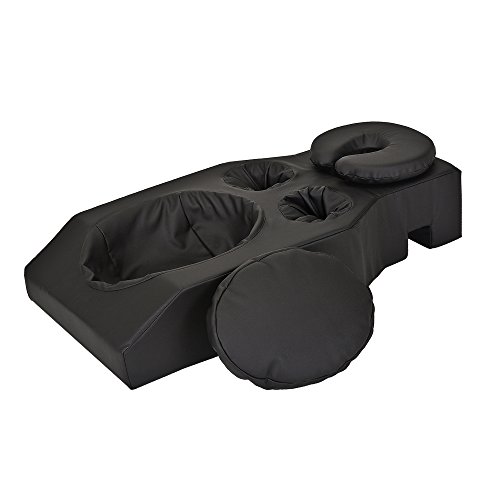
PROVEN FACE DOWN PREGNANCY MASSAGE CUSHION: Patented design provides ultimate support for pregnancy massage, breast discomfort, or lower back pain during face-down massage treatments.

Professional Comfort for Pregnancy: Designed to support belly and chest, and ease back pressure. Filled with high-resilience foam offering both support and softness for lasting comfort. Ideal for clients of massage therapists, maternity massage studios and spas.
Modifications and Alternatives to Massage Therapy
2. Gentle Techniques**: For recent injuries, RICE (rest, ice, compression, elevation) and gentle stretching can aid the healing process without risk. 3. Relaxation Options: If massage is contraindicated, hydrotherapy or aromatherapy offers soothing benefits while ensuring safety, especially for clients with contagious illnesses. 4. Mindfulness Practices: For autoimmune flare-ups, yoga and guided relaxation can promote well-being without direct pressure. 5. Prenatal Safety: During pregnancy, alternatives like prenatal yoga, breathing exercises, or gentle movement keep the focus on the client’s ability and comfort. Ergonomic massage tools** provide effective solutions for tension relief, offering accessibility and user-friendly design that promote regular use. Explore these options, ensuring relaxation while prioritizing health!
Recommended Products

Easy Grip & Deep Tissue Relief: Lifechill deep tissue massage tool features an ergonomic design, making it easy to grip and massage precisely. The balanced weight of the tool adds a benefit for deep tissue massage, relieving muscle tension.

DEEP TISSUES MASSAGE: Tophld manual acupuncture pen provides deep tissue massage for relieving tension, muscle aches, and pains

🎯 INSTANT RELIEF FOR NECK, BACK & SHOULDER KNOTS — This palm-fit four-point massage tool delivers pinpoint deep tissue pressure exactly where it hurts. Ideal for desk workers with stiff shoulders, athletes post-workout, and anyone battling daily muscle tension or trigger points — no appointment needed.
Frequently Asked Questions
What Is Considered Inappropriate During a Massage?
A massage can be inappropriate due to health conditions, emotional sensitivity, or personal trauma. We should prioritize massage etiquette, client consent, boundary awareness, cultural differences, and therapist professionalism while considering draping techniques and environmental factors.
What Are Three Instances When Massage Is Not Recommended?
We should avoid massage when dealing with fever symptoms, recent fractures, or open wounds. It’s vital to take into account post-surgery recovery, contagious skin conditions, pregnancy concerns, and conditions like severe osteoporosis or active cancer too.
What Is a Red Flag in Massage?
A red flag in massage indicates health conditions that might make therapy unsafe. We must prioritize client consent, ethical practices, and injury prevention, while our communication skills and contraindications awareness guide us to guarantee appropriate care.
What Are the 5 Basic Manipulation of Massage?
When we experience tension, we often think of the five basic manipulations: effleurage, petrissage, friction, tapotement, and vibration. Each technique, from Swedish techniques to hot stone, offers unique benefits tailored to our needs.