As an Amazon Associate, we earn from qualifying purchases. Some links on this site are affiliate links at no extra cost to you. Our recommendations are based on thorough research and editorial judgment.


Understanding Contraindications for Massage Therapy

Understanding contraindications for massage therapy is essential for promoting safety and effective treatments. 1. Definition: Contraindications are health conditions that may require us to modify or avoid specific massage techniques. 2. Local Contraindications: We need to take into account things like bruises or recent fractures. 3. Systemic Risks**: Conditions like high blood pressure could necessitate gentler approaches. 4. Medications Impact**: Blood thinners or corticosteroids demand lighter techniques. If we all stay informed, we can provide excellent care tailored to individual needs!
Key Takeaways
- Contraindications are health conditions that can cause negative effects from massage, categorized as absolute or relative.
- Local contraindications include cuts, bruises, and varicose veins, necessitating care during treatment.
- Systemic contraindications involve conditions like uncontrolled hypertension and infections that require medical clearance before massage.
- Medications such as blood thinners and corticosteroids necessitate modified massage techniques to ensure client safety.
- Effective communication with clients is essential to understand health conditions and adjust treatments accordingly for safe therapy sessions.
Definition of Contraindications in Massage Therapy
When it comes to massage therapy, understanding contraindications is vital for both therapists and clients. Contraindications are specific health conditions or situations that could lead to negative outcomes from massage treatments. Knowing the difference between absolute contraindications—where massage is completely prohibited—and relative contraindications, where we can adjust our techniques, is fundamental for client safety. For example, if we have a client’s health history that includes certain medical conditions like severe heart issues, massage might need modification, or be entirely avoided. This awareness helps us create safe and effective therapy sessions. By regularly reviewing and updating our knowledge of massage contraindications, we guarantee that we’re providing the best care possible. It’s also essential to consider safety features such as flame-resistant materials and anti-dry burning mechanisms in the massage environment to ensure client safety and comfort during sessions. So, let’s prioritize client safety and make informed choices together!
Common Local Contraindications

Understanding the local contraindications for massage therapy is important in ensuring a safe and effective experience. Here are some common local contraindications we should be aware of:
1. Cuts or Open Wounds****
These pose a risk for infection during treatment. We definitely want to avoid touching them!
2. Bruises****
Bruises suggest underlying tissue damage. Massage here may worsen pain and swelling.
3. Varicose Veins
Massaging affected areas can lead to complications. Gentle care is essential.
4. Recent Fractures****
Pressure on these areas hinders healing. We must prioritize recovery.
5. Burns on the Skin****
All burns should be skipped during massage treatment to ease discomfort and promote healing effectively.
Additionally, it’s important to consider how zero gravity design in massage chairs can optimize relaxation and comfort, which is particularly beneficial for individuals experiencing muscle tension.
Recommended Products


SMART MASSAGE CHAIR - Developed to utilize Alexa, this massager is your own Virtual Therapist at home. The intuitive assistant commands your Novo and customizes your massage based on your physical requirements and preferences.

7D Dual Massage Technology–Simultaneous Upper&Lower Body Massage: The 7D(4D+3D) dual system,specially designed for Big&Tall users,features independent intensity control and an open-toe design,delivering a fully immersive,next-level massage experience
Systemic Contraindications and Precautions

Massage therapy can be a game-changer for promoting relaxation and overall well-being, but we must be mindful of systemic contraindications.
1. Recognizing Risks****
Some health conditions can elevate the chance of adverse effects during massage. This includes uncontrolled hypertension and severe infections.
2. Importance of Medical Clearance****
For individuals with active cancer, it’s essential to get medical clearance before treatment, as massage can interfere with critical therapies.
3. Fragile Systems****
Conditions such as organ failure or severe osteoporosis need careful consideration, as they put clients at risk for complications.
4. Regular Health Assessment****
Before every session, we should reassess our clients’ health, ensuring that any systemic contraindications are addressed to maintain massage safety. For those interested in enhancing their relaxation experience, incorporating popular scents like Lavender through essential oils can provide additional calming effects.
Recommended Products

Transform any space with our invigorating essential oils! Whether you're seeking a lively home ambiance or a refreshing start to your day, our oils are ideal for enhancing your diffuser experience.

ARMOISE OIL: This sheer essence Armoise essential oil also known as Artemisia Alba Oil is undiluted and uncut therapeutic grade oil which is extracted naturally and it does not contain any added preservatives to protect there therapeutic properties.,

Transform any space with our invigorating essential oils! Whether you're seeking a lively home ambiance or a refreshing start to your day, our oils are ideal for enhancing your diffuser experience.
Specific Health Conditions Affecting Massage
Specific health conditions can greatly impact our massage experience, and it’s essential to recognize them for ideal safety and effectiveness.
1. Cardiovascular Conditions: Clients with unmanaged hypertension or heart disease should avoid deep tissue massage. Gentle techniques are necessary and may require doctor’s clearance.
2. Blood Thinners: Those on anticoagulants or with blood disorders like hemophilia face increased bruising risks, making gentle techniques significant.
3. Cancer Patients: Active or untreated cancer poses considerable concerns. Always seek healthcare provider consent before pursuing massage therapy.
4. Severe Osteoporosis: For individuals with severe osteoporosis, modified approaches focusing on light pressure are critical to prevent injuries.
Recognizing these contraindications helps us guarantee a beneficial and safe massage therapy experience for everyone involved. Additionally, for individuals considering the use of massage chairs with advanced features, it’s important to understand how zero gravity design can alleviate pressure on the spine and promote overall wellness.
Recommended Products


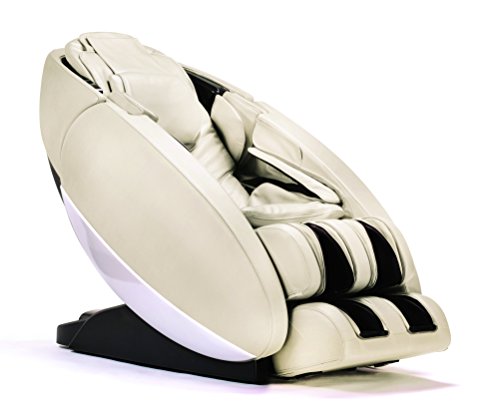
Featuring a striking design and best-in-class performance, it provides a therapeutic massage that can be custom-tailored to fit your lifestyle so that you can be and feel your best
Medications and Their Impact on Massage Therapy
When clients take medications, the effects can markedly influence their massage experience. Understanding these medications is essential for our clinical reasoning regarding contraindications for massage.
1. Blood Thinners:
For those on anticoagulants, we’ll use lighter techniques to prevent bruising.
2. Corticosteroids:
Clients on these might experience skin thinning, requiring softer touches instead of deep tissue work.
3. Antidepressants:
These can cause dizziness, so we carefully adjust our methods and check in on client comfort.
4. Timing:
Scheduling sessions around medication dosing optimizes benefits and guarantees the client’s safety, especially for pain management or blood pressure drugs.
Compression therapy massagers, like the FIT KING Leg Massager, can be beneficial for enhancing circulation, but it’s important to consult with a healthcare professional if you’re taking medications that may affect blood flow or skin sensitivity.
Recommended Products

CHOOSE YOUR SPEED: MedMassager Foot Calf Massager is the most powerful electric massager with 2 speeds ranging from 1,000-3,400 rpm. While, MedMassager Body Massager is the most powerful electric massager available with 2 speeds ranging from 400 rpm to a high of 3,400 rpm. We give an option to select your ideal speed setting as per your need, tailor your therapeutic regimen starting on a low speed and slowly increasing over time

EFFECTIVE, FAST-ACTING RELIEF: The Body Massager Plus is a clinically-designed wellness essential for targeted muscle massage, increased circulation, and full-body relaxation. Localized treatment and custom speed settings let you ease tension, soothe irritated nerves, and embrace self-care on your own terms. Get relief from pain associated with diabetes, tendonitis, neuropathy, back and shoulder pain, neck strain and more.

EXPERIENCE THE DIFFERENCE. The Body Sport Variable Speed Professional Massager relieves tension and relaxes muscles while increasing blood flow to injured areas. This premium full body massager creates myofascial release in the back, buttocks, hamstrings, quads, calves, feet, shoulders, and arms=
Contraindications Related to Recent Injuries
- Assessment: A thorough assessment of the injury history is key.
- RICE Method: We recommend the RICE method—rest, ice, compression, and elevation.
- Local Contraindications: Avoid massaging any areas with cuts, bruises, or broken bones, as this may exacerbate the condition.
- Considerations for Pregnant Women: When massaging pregnant women, it is crucial to consult with a healthcare provider to ensure the safety features of the massager are suitable for use, as some models may include heat settings that require careful monitoring.
Recommended Products

❄️【Leak-Proof Cold Plunge Tub】 Crafted with premium PE+PU via rotomolding this ice bath tub delivers 3X better insulation than inflatable models. Seamless one-piece design prevents leakage issues common in inflatable models while using 40% less ice. Built for daily use military-grade durability ensures 5+ years of reliable cold plunge therapy.

Pure Copper Spheres: These copper energy ball is crafted from 100% pure copper metal and have a 4-inches with aprox 101.6 mm diameter. Known for its mental agility and energy properties, a curio collectible unique piece of copper historically associated with the God Hermes, symbolizing quick wit and clear thinking.

Cordless Massage Pad: This massage pad is battery powered for convenience.
Infection Risks and Massage Therapy
Infections can pose significant risks during massage therapy, making it imperative to understand how they affect our practices. 1. Contraindications**: We must avoid therapeutic massage when clients have a contagious disease or fever over 100.4ºF. 2. Localized Infections: If there’s a localized infection, like cellulitis, full-body massage is contraindicated as it may worsen symptoms. 3. Acute Conditions: With acute conditions, such as meningitis, we need to steer clear of massage, focusing instead on care during remission with caution. 4. Rescheduling: It’s essential that we reschedule sessions for those suffering from colds or flu to mitigate infection risks and prevent aggravating health risks. Understanding these factors helps us keep our clients safe and healthy while enjoying the benefits of massage therapy! Additionally, ergonomic designs** in massage tools can contribute to user comfort and control, ensuring both safety and effectiveness during massages.
Special Considerations for Pregnant Clients
Understanding the unique needs of pregnant clients is essential, as prenatal massage can be a game-changer for their comfort and well-being. 1. Medical Clearance**: Always secure medical clearance from a healthcare provider; this helps identify any contraindications. 2. Trained Professionals: It’s vital to have a certified therapist experienced in prenatal massage techniques, ensuring safety for both mother and baby. 3. Tailored Techniques: We need to adjust positions and techniques, particularly in later trimesters, to avoid discomfort and undue pressure. 4. High-Risk Pregnancies: For clients with high-risk pregnancies, we must closely monitor any symptoms or changes during sessions. Utilizing unscented varieties of massage lotions can further cater to clients with sensitivities, enhancing a soothing experience. Following these essential considerations can facilitate a soothing experience, allowing pregnant clients to find much-needed relief from swelling, back pain, and anxiety**.
Variations in Massage Techniques Based on Contraindications
When working with clients who have specific contraindications, variations in massage techniques can truly be a game-changer for their comfort and healing. Here’s how we can adapt:
1. Skin Conditions: Avoid direct pressure and use gentle strokes to reduce irritation.
2. Anticoagulant Medications: Implement light pressure techniques to minimize risks of bruising and bleeding.
3. High Blood Pressure: Focus on relaxation techniques instead of vigorous strokes to aid in calming the body.
4. Severe Joint Pain: Use slow movements, avoiding deep tissue work to prevent discomfort.
5. Recent Injuries or Surgeries: Adapt to light and non-invasive techniques, steering clear of healing areas until cleared by a healthcare provider.
Additionally, massage therapy can significantly contribute to enhancing blood circulation benefits, which is crucial for muscle recovery and overall relaxation.
Importance of Communication With Clients
Effective communication forms the backbone of a successful massage therapy experience. When we talk openly with our clients, we can identify important health details that could reveal contraindications or risk factors. This dialogue guarantees we tailor treatment plans based on their specific needs. Health History: Clients should freely share their current health status and medications, as these can affect treatment choices. Regular Assessments: Conducting assessments before each session helps us address any new developments. Comfort Levels: Discussing comfort during the massage allows us to make immediate adjustments, enhancing client satisfaction. Educating Clients: By informing clients about recent injuries or surgeries, we create safer and more effective treatment plans. Additionally, using acupressure tools can enhance relaxation and stress relief, providing a supplementary benefit when used correctly.
When to Seek Medical Clearance for Massage
After establishing clear communication with our clients, it’s crucial to know when we need to seek medical clearance for massage therapy.
1. Blood Clots****
If a client has a history of blood clots, especially deep vein thrombosis (DVT), we must get medical clearance first.
2. Active Infections****
Clients with active infections or a fever over 100.4°F should consult a healthcare provider, as massage may worsen their condition.
3. Anticoagulant Medications****
Patients on anticoagulant medications need medical clearance due to increased risks of bruising and bleeding.
4. Heart Conditions****
For those with heart failure or high-risk conditions, consulting a physician guarantees massage therapy won’t impair cardiovascular safety.
Being proactive about these contraindications is a game-changer for everyone involved!
Ethical Responsibilities of Massage Therapists
We also commit to ongoing education to stay updated on best practices and ethical standards. This knowledge helps us adapt to client needs effectively. Ultimately, thorough documentation of client assessments is essential, promoting accountability in our professional practice and protecting both client and therapist.
Frequently Asked Questions
What Are the Contraindications for Massage Therapy?
We recognize that contraindications for massage therapy hinge on client health. While some techniques deliver relief, others may jeopardize safety. Our communication strategies and therapist qualifications guarantee we tailor treatment goals and prioritize pain management effectively.
What Is the Importance of Understanding Contraindications Before Starting a Massage?
Understanding contraindications is essential for ensuring safety and health. We prioritize client assessment and informed consent, balancing therapeutic benefits with professional ethics and risk management to create a safe, effective massage experience for everyone involved.
What Are the Three Types of Contraindications?
Like maneuvering through a maze, we encounter three types of contraindications: absolute contraindications that block our path entirely, relative contraindications allowing cautious steps, and situational contraindications focused on specific conditions like skin infections or pregnancy.
Which Finding Would Be a Contraindication for the Use of Therapeutic Massage?
A contraindication for therapeutic massage includes fever symptoms, acute infections, blood clots, recent surgeries, severe osteoporosis, skin conditions, or clients undergoing active cancer treatments. We must prioritize safety and consult with healthcare professionals when necessary.