As an Amazon Associate, we earn from qualifying purchases. Some links on this site are affiliate links at no extra cost to you. Our recommendations are based on thorough research and editorial judgment.


Introduction to Myofascial Release Techniques

Introduction to Myofascial Release Techniques: Myofascial Release (MFR) techniques can be game-changers for relieving pain and boosting mobility. By applying gentle pressure on fascia, we help restore balance in our bodies. These sessions usually last between 15 to 50 minutes, with certified therapists guiding us without lotions for better skin-to-skin connection. It’s essential to consult licensed professionals from recognized institutes for personalized care. If you’re intrigued, you’ll discover even more beneficial insights as we continue exploring this topic.
Key Takeaways
- Myofascial Release techniques involve hands-on therapy to target and relieve tension in fascia, enhancing movement and mobility.
- Techniques include light stretching, foam rolling, and manual pressure on trigger points without the use of oils or lotions.
- Both direct and indirect methods are utilized to facilitate fascia release and restore healthy tissue function.
- Regular sessions are recommended for long-term benefits, such as pain reduction and improved flexibility.
- Seeking qualified therapists with specialized training ensures personalized care tailored to individual needs and conditions.
What Is Myofascial Release?
You may be interested


Myofascial Release (MFR) is an incredibly effective hands-on therapy technique that targets the fascia, which is the connective tissue surrounding our muscles and organs. This approach is a game-changer for those suffering from myofascial pain.
1. Gentle Pressure**: MFR employs gentle, sustained pressure** on trigger points in the fascia, helping to alleviate pain and restore motion.
2. Two Techniques: We use both direct and indirect methods. The direct techniques apply force to release fascia, while indirect techniques let it unwind naturally.
3. Session Details: Sessions typically last between 15 to 50 minutes, with trained providers conducting treatments in private settings.
With no oils or lotions involved, we can better gauge the tension and respond effectively, making MFR a holistic therapy option for various conditions. Additionally, unlike manual techniques, electric arm massagers provide consistent pressure and rhythm, which can complement MFR by offering targeted muscle relaxation and relief.
Understanding Fascia
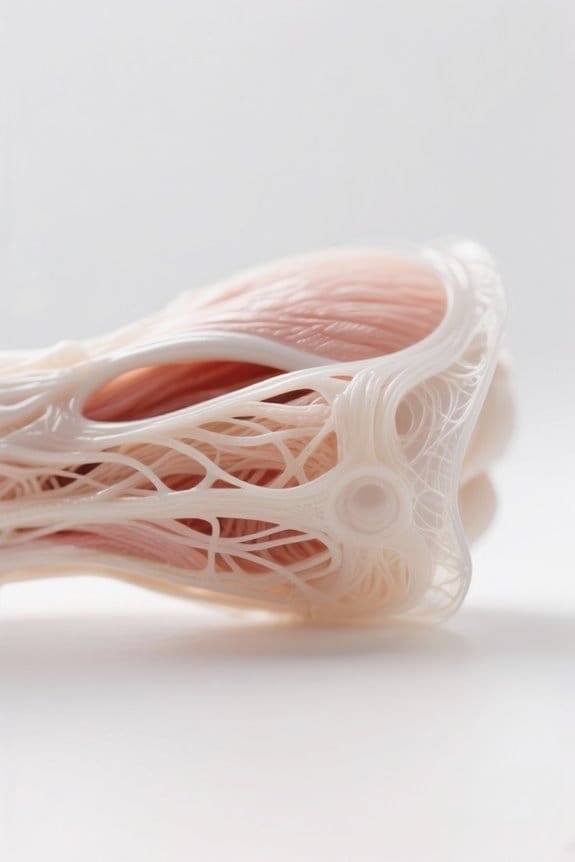
Fascia is the hidden hero of our body, quietly supporting our muscles and organs while playing an essential role in movement and flexibility. This intricate connective tissue that covers our body is primarily composed of collagen and surrounds everything from our muscles to our nerves. There are two main types of fascia: superficial and deep. Superficial fascia lies just under the skin, while deep fascia stabilizes muscle groups. When we experience injury, fascia can tighten and create myofascial restrictions, limiting our movement. It’s a game-changer for our overall health. By understanding fascia, we can appreciate its role in support and take steps to keep it healthy. Addressing these restrictions can greatly improve our mobility and comfort. Many therapists use adjustable height massage tables to enhance their practice and client satisfaction, ensuring optimal body support and comfort during treatment sessions.
Myofascial Release Methods and Techniques

During our sessions, we conduct manual therapy directly on the skin without oils, which helps in detecting areas that need attention. Continuously providing feedback plays a key role; it guarantees we adjust our technique based on how your fascia responds. Each session can adapt to your needs while incorporating fluid movements or light stretching. With our knowledge, we can help restore movement and alleviate pain effectively. Incorporating aromatherapy practices can further enhance relaxation and well-being, as they have been shown to promote stress relief and mood elevation.
Direct vs. Indirect Myofascial Release
When exploring different myofascial release techniques, understanding the distinction between direct and indirect methods can be a game-changer for your treatment experience.
1. Direct Myofascial Release**: This technique involves applying gentle, sustained pressure toward restrictive barriers in the fascia. It helps release myofascial trigger points**, promoting mobility and alleviating pain, though it may cause temporary discomfort.
2. Indirect Technique****: In contrast, this method moves the fascia towards its position of ease, allowing it to unwind naturally. This tends to be gentler, providing lasting benefits with improved flexibility.
A consistent routine of daily use is recommended for effective results with myofascial release techniques.
Types of Myofascial Release Exercises
Myofascial release exercises can be a game-changer for anyone looking to relieve tension and improve flexibility. Here are some effective types we can incorporate:
1. Foam Roller Techniques: Using a foam roller allows us to apply pressure on larger muscle groups, promoting blood flow and easing tension.
2. Tennis Ball Release: This method targets specific trigger points, especially in the upper back and hips, giving us relief in tight areas.
3. Stretching Integration: Combining stretches with myofascial release therapy helps further alleviate tension. Focusing on postural muscles enhances our overall body mechanics.
Additionally, many foot massagers offer features like adjustable heating settings to provide effective relief and enhance relaxation benefits during myofascial release sessions.
Recommended Products

Body Relaxation: Muscle stretches and massages can be performed before and after fitness, exercise, and reduce stiffness; Relieve muscle soreness and tension, Penetrates deep into body muscles to quickly release myofascia, Improve muscle flexibility

Used Book in Good Condition

Self-Myofascial Release Techniques
- Choose Your Tool: Select a foam roller or a tennis ball for targeted treatment.
- Find the Right Spot: Focus on common areas like the upper back, hips, and thighs.
- Apply Pressure: Spend 1-2 minutes on each muscle group, adjusting pressure based on comfort.
- For effective muscle recovery, incorporating foam rollers can reduce muscle pain and enhance circulation.
Recommended Products

IMPROVE MUSCLE RECOVERY – Multi-density GRID features a three-dimensional surface that provides more efficient muscle recovery by promoting tissue aeration as you roll, while promoting the flow of blood and oxygen for optimal muscle recovery

LIGHT TEXTURE: Gaiam muscle roller features a light texture to stimulate blood flow and provide an effective massage and at the same time to aid your workout, yoga routine, and compliment your existing workout equipment for a home gym.

" Whole Body Massage Foam Roller KIT " – You can get a high density 12" deep foam roller, a 15” anti-slip massage stick, a Peanut Massage Ball, 1 Plantar Fasciitis Ball: a solid heavy-duty 2-in-1 and spiky ball, 78” Stretching Strap, 1 Massage Guide,1 Nylon Bag, Relieve muscle soreness, massage away stress and rehabilitate injuries.
Benefits of Myofascial Release Therapy
Experiencing the benefits of regular myofascial release therapy can be a game-changer for anyone dealing with pain or restricted movement. Here are some advantages we can gain:
1. Alleviate Chronic Pain: Regular sessions can reduce pain by targeting tight myofascial tissues.
2. Improve Circulation: By releasing tension in these areas, blood flow increases, promoting quicker recovery.
3. Enhance Flexibility: With improved myofascial release techniques, we can experience greater ranges of motion and flexibility.
4. Reduce Muscle Soreness: Patients often report less soreness and enjoy better sleep quality after treatment.
5. Support Functional Movement: A skilled physical therapist can personalize our treatment for best results, helping us feel more active and less restricted.
Incorporating infrared sauna leg wraps into your routine can further enhance relaxation and muscle recovery, complementing the benefits of myofascial release therapy.
These benefits make myofascial release a worthwhile addition to our wellness routine!
Who Can Benefit From Myofascial Release?
Exploring myofascial release could be a game-changer for your health! Myofascial release techniques can be beneficial for those experiencing muscle tension and stress, similar to the advantages offered by Shiatsu massage with six fixed rollers found in advanced air massage chairs.
Contraindications and Precautions
When considering myofascial release, it’s essential to recognize that certain conditions may warrant caution or exclusion from therapy. Malignancies and Aneurysms: For individuals with a history of these conditions, therapy could lead to serious complications, making it important to consult a healthcare provider first. Acute Rheumatoid Arthritis: This can be particularly sensitive to treatment, and we’d like to avoid any exacerbation of symptoms. Additionally, Severe Osteoporosis or Healing Fractures can pose risks of further injury during therapy sessions. Finally, Advanced Diabetes may affect healing and tissue response, making myofascial release inappropriate. It’s also important to consider the effectiveness and benefits of acupressure pillows as they can complement other treatment strategies by alleviating tension and promoting endorphin release. Before starting any treatment, it’s crucial to consult with a physician and physical therapist to guarantee personalized assessment and prioritize safety.
What to Expect During a Myofascial Release Session
Myofascial release sessions can feel like a rejuvenating escape into relaxation and relief. What to Expect: During our time together, your therapist gently applies sustained pressure to specific trigger points in your fascia, without any lotions or oils, ensuring a direct connection with your skin. This release is a type of therapy focusing on the myofascial system, enhancing mobility and overall wellness. Session Length: Each session typically lasts 15 to 50 minutes, allowing ample time for targeted kneading and stretching of the tissues. You might experience mild discomfort, but don’t worry—it’s often followed by a sense of relief and increased flexibility. Expect to engage your muscles throughout, leading to potentially residual soreness, similar to that post-workout feeling. Additionally, compression leg massagers are recommended for enhanced circulation and relaxation, making them a valuable complement to myofascial release therapy.
Role of Myofascial Release in Pain Management
The journey to pain relief can feel overwhelming, but incorporating myofascial release into your routine might just be the game-changer you need. Targeting Trigger Points: This therapy effectively focuses on trigger points within myofascial tissues, where tension builds up, leading to chronic pain and restricted movement. Research-Backed Benefits: Studies have shown that individuals with conditions like fibromyalgia and chronic back pain stand to benefit considerably, with notable reductions in pain and increased mobility after sessions. The gentle pressure applied during myofascial release helps alleviate fascial restrictions, enhancing circulation and facilitating quicker recovery. By embracing myofascial release as part of our pain management strategies, we can markedly improve our range of motion and overall well-being. It’s a practical tool we shouldn’t overlook!
Finding a Qualified Myofascial Release Therapist
Finding a qualified myofascial release therapist can feel like searching for a needle in a haystack, but it doesn’t have to be! Here’s how we can make this easier:
1. Look for Licensed Professionals****
Seek licensed healthcare providers—physical, occupational, or massage therapists—who specialize in myofascial release techniques.
2. Check Certifications****
Consider therapists certified by the John F. Barnes Myofascial Release Institute. They’ve undergone rigorous training in MFR methods that matter.
3. Evaluate Experience****
Verify their experience with your specific condition. Familiarity with chronic pain, sports injuries, or post-surgery rehabilitation enhances treatment effectiveness.
4. Seek Recommendations****
Consult healthcare providers, local support groups, or online directories for reputable therapists.
5. Schedule a Consultation****
Discuss your symptoms to guarantee a personalized approach and clear communication. This could be a game-changer for your healing journey!
Frequently Asked Questions
What Are Myofascial Release Techniques?
Myofascial release techniques involve targeting myofascial trigger points to relieve tension in fascia anatomy. We can use self-myofascial techniques like foam rolling, experiencing benefits of myofascial therapy, improving mobility and reducing pain together.
What Are the 7 Myofascial Lines?
Alright, let’s time travel through our body’s anatomy overview! The 7 myofascial lines connect fascia, aiding movement and stability. Understanding them enhances treatment techniques, offering release benefits and emphasizing fascia’s importance in holistic care. We’ve got this!
What Body Part Should You Not Use Myofascial Release On?
We shouldn’t apply myofascial release on sensitive areas like abdomens with organ damage or over inflamed tissues. Our personal experiences taught us that following these safety precautions helps avoid exacerbating issues in contraindicated sites.
What Is the Introduction of Myofascial Release?
Imagine our body’s tapestry—woven tightly. Myofascial release unravels those knots, offering benefits we’ll explore, techniques we’ll overview, a rich history we’ll discuss, and common misconceptions we’ll debunk together on this journey to pain relief.