As an Amazon Associate, we earn from qualifying purchases. Some links on this site are affiliate links at no extra cost to you. Our recommendations are based on thorough research and editorial judgment.

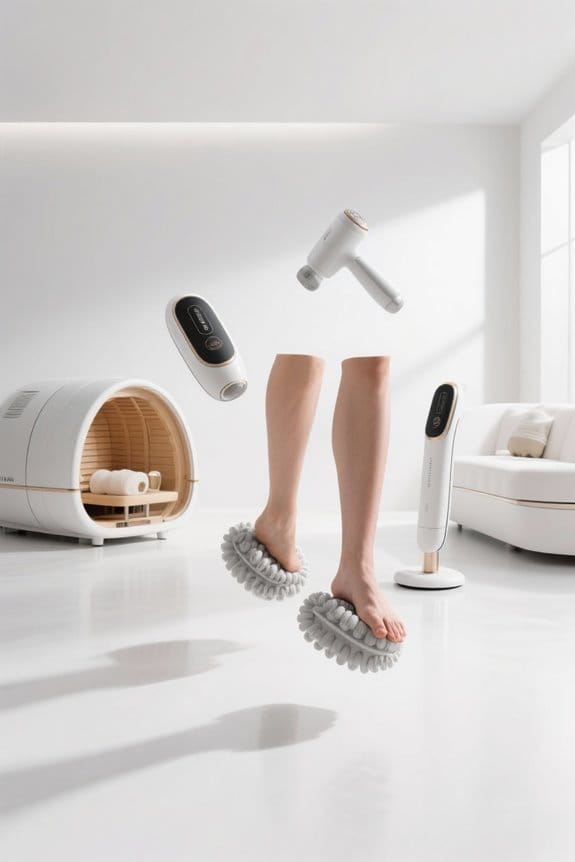
How to Massage Your Lower Legs for Recovery

To massage our lower legs for recovery, we can adopt several effective techniques. 1. Stroking Motion: Start at the ankle and move upward, applying pressure about 10 times. 2. Chopping Motion: Tap the lower leg gently from ankle to hip. 3. Squeezing Techniques: Grip firmly from ankle to knee and knead with our thumbs. 4. Tennis Balls: Roll them under our calves and thighs for targeted relief. Excited to explore tools, like massage machines, for a truly relaxing experience?
Key Takeaways
- Start with stroking motions, applying pressure from the ankle to the knee to relax calf muscles and improve circulation.
- Incorporate chopping techniques by gently tapping the lower leg to stimulate blood flow, focusing on tight areas.
- Use squeezing and kneading techniques by gripping the lower leg and applying pressure for enhanced relaxation and blood circulation.
- Employ tennis balls for targeted self-massage, rolling them under calves and thighs to locate and relieve muscle tension.
- Consider using massage machines or calf massagers that provide air compression and customizable settings for effective relaxation and recovery.
Benefits of Leg Massage for Recovery
You may be interested


A Beginner's Guide to Shiatsu Massage Techniques
January 7, 2026
When it comes to recovery, leg massage is a real game-changer for athletes like us. 1. Improved Blood Circulation: Enhanced blood flow helps flush out metabolic waste, speeding up recovery post-exercise. 2. Reduce Inflammation: Massage techniques effectively ease muscle stiffness, breaking down adhesions and relieving tension in our lower leg muscles. 3. Flexibility Boost: Regular massage can improve flexibility, critical for our performance and reducing the risk of injuries. 4. Faster Recovery Time: Integrating leg massage into our routine may greatly decrease recovery time by promoting relaxation and aiding muscle repair after strenuous activity. So, if we aim to elevate our training, let’s consider making leg massage an essential part of our recovery arsenal. It’s all about keeping our muscles ready for action! Additionally, using calf massagers such as the CINCOM Leg Massager can enhance the benefits of these massages by combining heat therapy with air compression for deeper relaxation and improved circulation.
Essential Massage Tools and Techniques

Massage isn’t just a luxury; it’s a key part of our recovery toolkit, and having the right tools and techniques makes all the difference. Here are essential items and methods for effective massage therapy:
1. Foam Rollers****
These help enhance blood flow while targeting muscle tension, making them fantastic for muscle recovery.
2. Tennis Balls****
Rolling them beneath your calf or thigh identifies tender spots, providing localized pressure that alleviates tightness.
3. Massage Machines****
Dedicated foot and calf massage machines are game-changers for convenience and effective relaxation.
4. Massage Oils****
Using these reduces friction, allowing smoother strokes and better pressure application.
Many massage guns feature adjustable speed levels and interchangeable heads, allowing you to customize your massage experience for optimal muscle recovery.
Incorporating passive range of motion exercises alongside these techniques can maximize recovery benefits, promoting flexibility and preventing stiffness.
Recommended Products

Massage Roller Balls: This foam roller stretches to wrap around different areas of your body experiencing myofascial pain while helping to relieve tension and stress from intense workouts and busy days.

IMPROVE MUSCLE RECOVERY – Multi-density GRID features a three-dimensional surface that provides more efficient muscle recovery by promoting tissue aeration as you roll, while promoting the flow of blood and oxygen for optimal muscle recovery

Targeted Deep Tissue Release: Features 9 independently rotating rollers that deliver concentrated, deep compression to break down muscle knots and fascia adhesions—ideal for relieving tension and accelerating recovery after workouts.
Stroking Motion for Calf Muscles

Releasing the benefits of the stroking motion for calf muscles can take your recovery to the next level. We start this technique by placing our fingers at the ankle, applying pressure, and moving upward toward the knee. We can repeat this motion about 10 times to ease muscle tension and enhance blood flow. For even better results, utilizing our palms or the heel of our hand allows for increased pressure while keeping consistent contact on the skin. Alternating between light and heavy pressure stimulates circulation effectively. It’s essential to maintain a comfortable position, either sitting or lying down, to fully relax. Finally, we should avoid bony areas like the knee, focusing instead on the fleshy parts for best relief. For those seeking additional ways to enhance recovery, compression leg massagers with adjustable intensity and customizable settings can provide targeted relief and comfort.
Chopping or Percussion Motion
Let’s explore the chopping or percussion motion, a technique that can be a game-changer in your recovery routine. To start, gently tap your lower leg using your fist or the pinky side of your hand. We recommend moving from your ankle upwards toward your hip to stimulate circulation. This massage helps improve muscle soreness and relieves tension in tight areas. Remember, avoid the top of the foot and toes, as this area doesn’t respond well to percussion. Additionally, applying this technique to the soles of the feet can offer extra relief. For best results, focus on specific tight spots consistently, enhancing the overall effectiveness of your massage to improve recovery. Consider using an air compression leg massager which enhances circulation and relaxation through customizable settings tailored to individual needs. Try this technique regularly to reap its full benefits!
Squeezing and Kneading Techniques
After exploring the invigorating percussion technique, it’s time to amp up our approach with squeezing and kneading techniques. This method is a real game-changer for post-workout recovery!
1. Start at the Ankle: Grip the ankle firmly, then apply pressure as we move toward the knee.
2. Knead with Your Thumbs: Use our thumbs to increase pressure, covering the entire length of the lower leg.
3. Repeat for Effectiveness: Aim for 5 to 10 repetitions to enhance relaxation and circulation.
4. Toe Squeezing: Don’t forget to squeeze individual toes at the end for added relief.
5. Keep it Comfortable: Maintain a gentle grip and avoid bony areas for a soothing experience!
For an even more effective recovery, consider using a muscle roller stick to target key areas such as calves and hamstrings, enhancing blood circulation and alleviating soreness.
Let’s embrace these techniques for incredible muscle rejuvenation!
Tips for Effective Self-Massage
- Start with Stroking: We should begin at the ankle, moving towards the knee, using gentle pressure up to 10 times to promote blood flow.
- Incorporate Chopping: Gently tap your lower legs with your fists or pinky side, focusing on tight areas.
- Use Squeezing Motions: Hold the ankle and apply thumb pressure while moving up, avoiding bony areas.
- Add Massage Oils: Using these can help reduce friction, making our self-massage smoother.
- Combine Pressures: Alternating between light and heavy pressure can effectively target our soft tissue and help reduce inflammation.
- Consider Using a Handheld Massager: Handheld percussion massagers like the HANGSUN MG460 can enhance your massage routine by delivering deep tissue relief and promoting muscle recovery effectively.
Hip Bend Exercise for Flexibility
Incorporating the hip bend exercise into our routine can really enhance flexibility and mobility in our hips. This straightforward exercise involves pulling one knee toward our chest while seated, helping to increase hip joint function. Performing the hip bend exercise for 30 seconds with 10 repetitions on each leg can markedly improve our range of motion. Customizable heat settings in leg massagers can further aid in muscle relaxation during or post-exercise.
Benefits:
- Reduced Tightness: It helps decrease tightness in hip flexors.
- Easy Integration: This exercise fits smoothly into any workout, making it accessible for all fitness levels.
- Posture Awareness: Remember to keep a relaxed posture, with a straight back to avoid strain.
Integrating this move daily may be a game-changer for our overall leg movement. Let’s make those hips happy!
Hamstring Stretch for Muscle Relaxation
Stretching those hamstrings isn’t just good for relaxation; it’s vital for our overall muscle recovery! A well-executed hamstring stretch helps relieve tension and improves flexibility. Here’s how we can do it:
1. Get Comfortable: Sit on a chair, keeping one leg flat while elevating the other.
2. Lean Forward: Gently lean forward at the hips, holding that position for 30 seconds.
3. Repeat: We should repeat this stretch 10 times on each leg. Maintaining a straight torso is important in maximizing our stretch and avoiding injury.
For those who spend extended periods sitting, utilizing ergonomic designs in lumbar support massagers can complement hamstring stretches by promoting proper spinal alignment and reducing back pain. Regularly practicing this stretch can greatly enhance our range of motion and even reduce inflammation, making it a game-changer in our recovery routine! Let’s prioritize our hamstrings for better performance!
Foot Bend for Ankle Mobility
- Get Comfortable: Sit with one lower leg on the opposite thigh.
- Draw Circles: Rotate the foot clockwise and counterclockwise ten times. This boosts joint mobility.
- Up and Down: Bend the foot up and down, holding each position for 30 seconds. This stretches surrounding muscles and tendons.
- To enhance your recovery, consider using a massage gun to target and relieve deeper muscle tension, as it provides customizable speeds and interchangeable heads for varied muscle relief.
Toe Bend Exercises for Circulation
Toe bend exercises play a pivotal role in enhancing circulation in our lower legs, building on the mobility benefits we gained from foot bends. By bending our toes up and down for 30 seconds, we greatly boost blood flow. Let’s try doing 10 repetitions in each direction while seated with one leg crossed over the other. This position allows us easier access to our toes and promotes relaxation. Regularly practicing toe bend exercises can really help reduce stiffness and discomfort, especially after long periods of sitting or standing. As we incorporate toe bends into our daily routine, we’re not just improving flexibility; we’re actively enhancing circulation, a true game-changer for our overall lower leg health and recovery. Incorporating devices like compression foot massagers can further enhance circulation and alleviate muscle tightness, providing an added layer of comfort and relaxation.
Using Tennis Balls for Targeted Massage
When we want to enhance our relaxation and recovery, using a tennis ball for targeted massage can be a game-changer. Here’s how we can effectively use it:
1. Sit Comfortably
Place a tennis ball under your thigh or calf.
2. Locate Tender Spots****
Gently move the ball around to find sore muscle tissue, applying variable pressure by adjusting your weight.
3. Self-Massage for Calves
Roll the ball under your calves back and forth to improve circulation while reducing inflammation.
4. Hamstring Relief
Transition the ball under your leg and roll slowly to release tension.
Recommended Products

IMMEDIATE BENEFITS - Self myofascial release eliminates muscle knots and tension. Trigger point therapy massage lacrosse balls relieve sore and tight muscles to rejuvenate and revitalize all areas of the body.
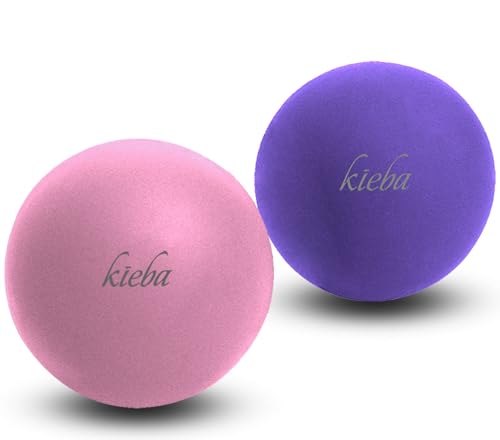
IMMEDIATE BENEFITS - Self myofascial release eliminates muscle knots and tension. Trigger point therapy massage lacrosse balls relieve sore and tight muscles to rejuvenate and revitalize all areas of the body.
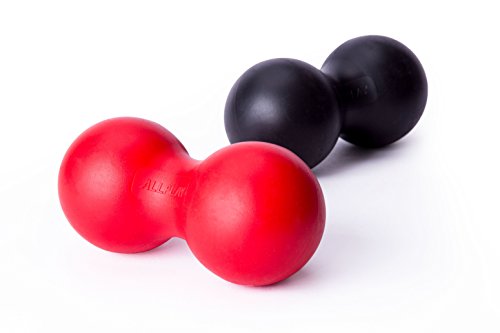
Best device for self massage - Pamper yourself the well deserved massage without anyone’s help! The balls measure 5inch in length. Simply use these rollers to apply pressure around sore and stress strained muscle, trigger points and witness the progressive effect they can offer.
Introduction to Massage Machines and Devices
Massage machines and devices have become essential tools for anyone looking to boost their recovery routine and enhance relaxation. These game-changers offer various features to target your lower legs effectively.
- Air Compression Massagers: These use airbags for pressure, promoting blood flow and relaxation.
- Foot and Calf Massage Machines: With adjustable settings, we can customize intensity and type for our comfort.
- Foam Rollers and Rolling Pins: Perfect for targeted self-massage, they guarantee deep tissue relief and improve muscle function.
Incorporating these devices into our routine can greatly enhance flexibility, range of motion, and muscle health, delivering impressive health benefits while reducing soreness. So, let’s explore how integrating these machines can transform our recovery experience!
Recommended Products
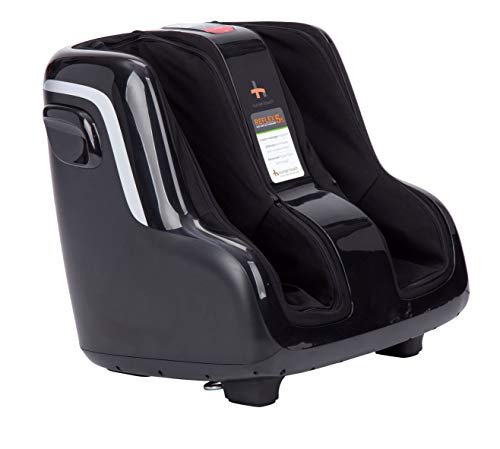
WHOLE-BODY RELAXATION - Our patented wraparound Figure-Eight Technology encourages circulation in the feet and calves. Deep-kneading Shiatsu foot massage & powerful under-foot reflexology rollers support the body's natural alignment and healing abilities.
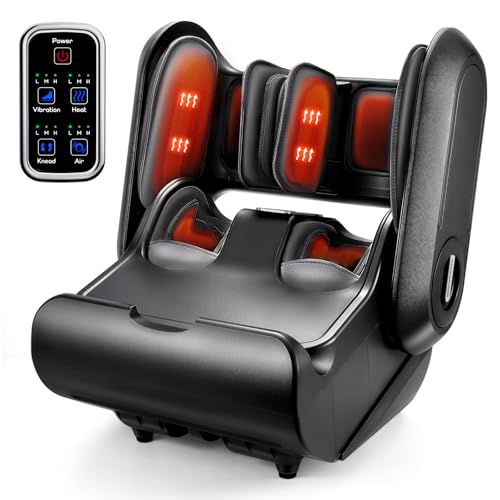
【LUXURIOUS & DECENT COMFORT GIFTS】This 2 in 1 foot and calf massager can be used at home or in the office, would be an luxurious & Decent gift on birthday, Mother's day, Father's day, Thanksgiving day and Christmas for man, woman, mom and dad. This thoughtful gift helps them unwind, relieve aches, and rejuvenate after a busy day.

Unique heated Ottoman design, Comfier FSA foot and calf massager can be folded to be a luxury ottoman foot rest (19.6”*15.3”) for home living room. It can hold your feet and legs up, which makes you feel more comfortable. The surface of the ottoman has an optional heating function that provides you with a perfect warm seat, also helps warm & relax your feet and legs, while you work in the office or at home.(This foot massager provides gentle, soothing heating, rather than high-temperature heat.)
Frequently Asked Questions
How to Massage Legs for Recovery?
To massage legs for recovery, we start from the ankle, using strokes to promote circulation. Let’s knead and squeeze muscles, then incorporate gentle taps. Together, we’ll enhance muscle relaxation and support our sports recovery!
How to Massage the Lower Legs?
To massage the lower legs, we can use several techniques: gentle strokes for circulation, tapping for tension relief, and kneading for deeper relaxation. These methods enhance recovery, providing multiple massage benefits for soreness reduction and muscle relaxation.
Is Massage Good for Lower Leg Pain?
Absolutely, massage offers significant benefits for lower leg pain relief. We’ve found that regular sessions can improve circulation and promote muscle relaxation, making a noticeable difference in our recovery and overall well-being after intense activity.
How to Release Lower Leg Muscles?
To release our lower leg muscles, we can use foam rolling to target muscle knots. Gently roll over tight areas and incorporate stretches for enhanced flexibility and effective relief. It’s a great practice for recovery!


