As an Amazon Associate, we earn from qualifying purchases. Some links on this site are affiliate links at no extra cost to you. Our recommendations are based on thorough research and editorial judgment.


Understanding Sauna Temperature and Humidity Levels

Understanding sauna temperature and humidity levels is a game-changer for boosting relaxation and health benefits. 1) Ideal Temperature Ranges**: Traditional saunas thrive at 150°F to 195°F, while infrared ones sit at 120°F to 150°F. 2) The Right Humidity: Traditional saunas have low humidity, or 5%-20%, while steam saunas hover near 100%. We should definitely monitor the balance between heat and humidity for the best experience**. Stick with us, and we’ll reveal more tips to enhance your sauna journey!
Key Takeaways
- Traditional saunas operate between 150°F to 195°F, while infrared saunas are set between 120°F to 150°F, and steam saunas run at 110°F to 120°F.
- The ideal humidity levels vary, with traditional saunas having 5%-20%, infrared saunas around 40%, and steam saunas at nearly 100%.
- The combined heat and humidity should remain below 200 for optimal comfort and to reduce the risk of overheating.
- Proper sauna usage supports relaxation, circulation, detoxification, and muscle recovery through controlled heat exposure.
- Hydration is essential before, during, and after sauna sessions to prevent dehydration and enhance health benefits.
Importance of Sauna Temperature and Humidity
4. Personal Preference: Everyone’s comfort is different; adjusting levels based on our preferences helps us enjoy the therapeutic benefits while avoiding overheating and dehydration. Adjustable temperature settings in portable infrared saunas cater to various preferences, allowing users to tailor their sauna experience to their comfort level and wellness goals.
Types of Saunas and Their Ideal Temperature Ranges

When we think about enjoying a sauna experience, the types of saunas and their ideal temperature ranges play a key role in our comfort and relaxation. Here’s a breakdown of popular sauna types:
1. Traditional Saunas****
These operate between 150°F to 195°F (65°C to 90°C) with low humidity (5%-20%), perfect for intense heat enthusiasts.
2. Infrared Saunas****
Ideal for those seeking lower temperatures, these range from 120°F to 150°F (49°C to 65°C) and feature higher humidity (around 40%). Infrared saunas provide benefits such as muscle relaxation and enhanced blood circulation through deep tissue heating.
3. Steam Saunas****
Offering a moist environment, steam saunas range from 110°F to 120°F (43°C to 49°C) with near 100% humidity, catering to heat-sensitive users.
Ultimately, the ideal sauna temperature varies for everyone, ensuring health benefits of sauna use align with individual comfort.
Recommended Products
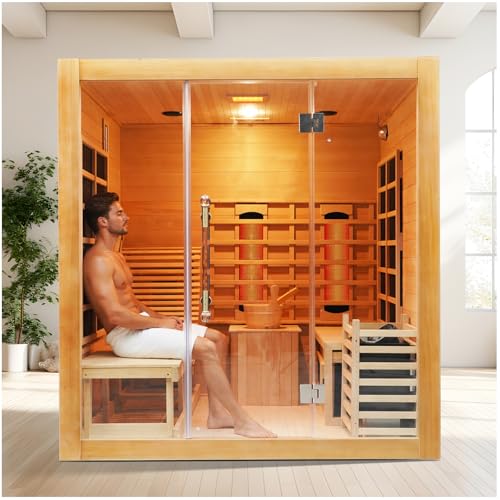
SIZE: 2 or 3 person interior space size, luxurious sauna dimension-5.9' ft x 5.9' ft x 6.23' ft (1800*1800*1900mm). This sauna provides ample room for two, making it perfect for cozy moments with a partner or rejuvenating alone

YOUR PERSONAL RETREAT - Enjoy your own sauna room. FAR infrared heat blankets your body, thanks to seven low-EMF carbon heaters. Each heater is precisely placed to fill the room with nourishing heat.

❤️【New Outdoor Hillside Roof Designs】The classic hillside roof design is highly ornamental and the perfect addition to your garden lawn. Compared to flat roofs, the pitched design of a gambrel roof provides better rain and snow drainage, and is more resistant to a wide range of weather conditions, from cold to hot.
The Rule of 200: Balancing Heat and Humidity

- Prevent Dehydration: This balance minimizes risks of overheating and dehydration, enhancing our sauna sessions.
- Therapeutic Effects: Proper heat and humidity amplify relaxation and improve circulation, promoting overall wellness.
- Adjust Humidity: We can easily adjust humidity levels by managing water on heated stones, ensuring our comfort.
- Enhance Sweat Production: Incorporating sauna suits made from heat-trapping fabrics can significantly boost sweat production during sauna sessions, further promoting calorie burn and weight loss.
Measuring Temperature and Humidity Accurately
- Regular Calibration: It’s essential to calibrate our instruments often for consistent results.
- Traditional vs. Infrared: Traditional saunas usually hit humidity levels of 10-20%, while infrared saunas maintain around 40%.
- Rule of 200: Remember, the temperature in °F plus humidity percentage should ideally stay below 200 to keep us comfortable.
- When using infrared sauna pads, ensure they have safety features like auto shut-off to prevent overheating during your sauna sessions.
With these tools and tips, adjusting temperature becomes a breeze! Let’s enhance our sauna sessions together.
Recommended Products

Dual Therapy Sauna – Experience both far-infrared dry heat and traditional steam sauna therapy in one unit. Combines 11 full-spectrum infrared heaters+ 3 Carbon infrared heaters(4600W) for deep detox & pain relief with a Harvia 6KW steam stove (6000W) for a traditional Finnish sauna experience. Switch modes to suit your mood or health needs, the two modes need to be used separately

PREMIUM CANADIAN HEMLOCK CONSTRUCTION: Built with A-grade natural Canadian Hemlock wood for superior durability, heat retention, and moisture resistance. The spacious 4-5 person design comfortably accommodates your family with ergonomic seating and elegant tempered glass door (8mm) for a luxurious spa experience at home

Dual-Mode Enjoyment: Combines far infrared heating and traditional steam therapy for ultimate relaxation and detoxification. Equipped with 5 full-spectrum infrared heaters+ 7 carbon infrared heaters, and a powerful harvia 6000W sauna stove, it delivers customizable heat for detoxification, relaxation, and muscle recovery
Maintaining the Right Conditions in Your Sauna
Maintaining the ideal sauna environment can truly enhance our relaxation and wellness experience. To achieve this, 1. Monitor Temperature and Humidity Levels**: Traditional Finnish saunas usually set sauna temperatures between 150°F to 195°F with humidity levels around 10-20%. The 2. Rule of 200 reminds us that combined temperature and humidity shouldn’t exceed 200; for example, at 170°F, aim for about 30% humidity for a comfortable experience. In 3. Infrared Saunas, keep temperatures lower, between 120°F and 150°F, and enjoy minimal humidity. For 4. Steam Saunas, stay between 110°F to 120°F, ensuring high humidity, almost 100%. Using sauna-specific thermometers and hygrometers will help us maintain these proper conditions for an enjoyable sauna session. For those seeking deep detoxification**, portable infrared saunas are an excellent choice due to their ability to improve blood circulation and skin revitalization.
Recommended Products

【Dual Heating Systems】Experience both far-infrared dry heat and traditional steam sauna therapy in one unit. Our new hybrid wood sauna room comes with 11 infrared heating elements deliver deep-penetrating infrared warmth, while the 6KW steam heater with sauna rocks creates a wet, detoxifying environment. Switch modes to suit your mood or health needs, the two modes need to be used separately

Two Person Spa: 2-person interior space size, luxurious sauna dimension-5.9' ft x 5.9' ft x 6.23' ft (1800*1800*1900mm). This sauna provides ample room for two, making it perfect for cozy moments with a partner or rejuvenating alone. Attention: The control panel is inside of the sauna

Faster Heating, More Relaxing: Powered by our exclusive PrairieFire 9kW electric heater with included stones, this outdoor cedar sauna reaches your ideal temperature 50% faster than standard 6kW heaters
Health Benefits of Proper Sauna Usage
When we explore the health benefits of proper sauna usage, it quickly becomes clear that these hot retreats are more than just a luxury; they’re a game-changer for our well-being.
1. Stress Relief****: The sauna’s warmth creates a calming atmosphere, making it easier for us to unwind and reduce anxiety.
2. Enhanced Circulation****: As our body temperature rises, blood vessels dilate, boosting circulation and potentially lowering blood pressure over time.
3. Detoxification****: Sweating in a sauna helps eliminate toxins, supporting overall health.
4. Muscle Tension Relief****: The heat offers soothing relief for sore muscles, aiding recovery after workouts.
5. Skin Health****: Regular sessions promote sweat production, cleansing pores and improving our complexion.
6. Improved Safety Measures: Modern infrared saunas come equipped with automatic shut-off mechanisms and overheating protection, which enhance user safety during sessions.
Embracing these health benefits makes sauna usage an essential addition to our wellness routine!
Safety Tips for Enjoying Your Sauna Experience
Enjoying a sauna can be an incredible experience, but we need to prioritize our safety to make the most of it. Here are some essential tips to keep in mind:
1. Stay Hydrated****
Drink enough water before, during, and after your session to prevent dehydration.
2. Monitor Your Body****
We should always listen to our bodies. If we feel dizzy or lightheaded, let’s exit immediately.
3. Start with Shorter Sessions****
Begin with 5-10 minutes as our bodies acclimate to the heat.
4. Avoid Alcohol****
Never consume alcohol before or during sauna use; it can lead to overheating.
5. Consult with a Healthcare Professional****
If we have health conditions, particularly related to our heart, it’s wise to consult a professional first.
6. Enhance Your Experience with Accessories
Consider incorporating premium all-natural sauna cleaner to maintain a clean environment and ensure a pleasant sauna session.
Understanding the Different Heating Systems
Since choosing the right sauna can truly elevate our relaxation game, it’s essential to understand the various heating systems available. 1. Traditional Saunas**: These use a stove to heat stones, radiating heat between 150°F and 195°F, perfect for dry conditions. 2. Infrared Saunas: With panels that emit radiant heat, they allow relaxation at lower temperatures of 120°F to 150°F while promoting detoxification. 3. Steam Saunas: These feature steam generators, delivering high humidity levels (up to 100%) and lower temperatures of 110°F to 120°F for a soothing experience. Proper ventilation is vital for all types, ensuring comfort while preventing overheating. By understanding these heating systems, we can choose the sauna that best fits our relaxation needs. Saunas with low EMF heating plates** offer a safer experience and quicker heat-up times, which can significantly enhance the overall sauna experience.
Recommended Products

This item will be delivered curbside. To have the item delivered to a location of choice on your property, kindly make additional arrangements with a third party provider ahead of delivery

This item will be delivered curbside. To have the item delivered to a location of choice on your property, kindly make additional arrangements with a third party provider ahead of delivery

Newly Upgraded Dual-system Sauna: No need to purchase two separate home sauna units. Switch effortlessly between far-infrared dry sauna and traditional steam sauna therapy with the touch of a button. Flexibly adjust modes based on your mood or health needs. Note: Both modes must be used separately and cannot operate simultaneously
Acclimating to Sauna Heat for First-Time Users
Acclimating to sauna heat is a game-changer for first-time users, especially with various heating systems we’ve just explored. 1. Start Slow**: We recommend beginning with a sauna temperature of around 120°F (49°C). 2. Duration Matters: Limit our first sauna sessions to just 5-10 minutes, gradually extending our time as tolerance develops. 3. Stay Hydrated: It’s essential to be well-hydrated beforehand to combat dehydration and enjoy our experience. 4. Listen to Our Bodies: Paying attention to body signals guarantees we’re not pushing too hard; if we feel dizzy or uncomfortable, we should step out. 5. Gradual Increase: By slowly increasing both temperature and session length over multiple visits, we can enhance relaxation and overall sauna benefits effectively. Adding features such as infrared technology** in sauna designs can also promote deep muscle relaxation and improved blood circulation.
Tips for Enhancing Your Sauna Experience
Enhancing our sauna experience can truly transform how we feel during and after our sessions. 1. Start Slow**: Let’s gradually acclimatize by beginning with shorter sessions at lower sauna temperatures. 2. Hydration is Key: We need to drink plenty of water beforehand and during, as sweating can lead to dehydration. 3. Rule of 200: Keep an eye on humidity levels and temperature, sticking to this rule to avoid overheating. 4. Relaxation Techniques: Incorporating deep breathing or meditation can boost our stress relief wonderfully. 5. Experiment with Water: We can create steam by experimenting with water on heated stones, adjusting the humidity for our comfort. For added benefits, consider using infrared sauna chairs** as they promote relaxation, improved circulation, and overall well-being. By following these tips, we’ll surely enhance our sauna experience and enjoy every moment!
Recommended Products
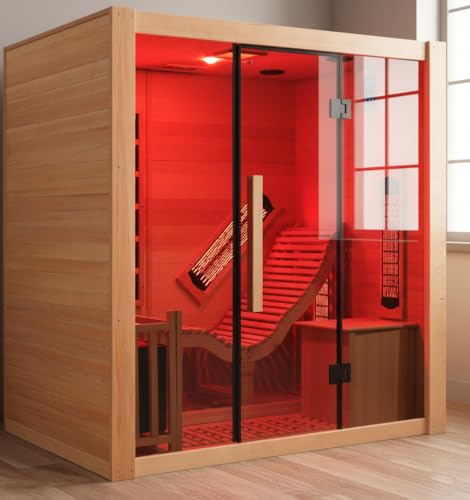
INFRARED SAUNA SYSTEM: 7 Heating plates 2300W large power with high performance, high strength, safety and long service life, the far-infrared bio-spectrum emitted by pure ceramic tubes is close to the body's own wavelength and is more easily absorbed10-15 minutes quick warm up

【Upgraded Red Light Therapy Lamp】Our indoor 2 person sauna has an upgraded red light therapy lamp equipped with 113 light beads, and the wavelength of 660nm is close to the body's own wavelength, so that you can enjoy regular professional skin management at home without going to the beauty salon.

Constructed with Canadian Hemlock wood, this sauna boasts a stable and durable structure for long-term use, while also providing excellent insulation to keep the heat contained within your sauna room.
Frequently Asked Questions
What Is the Best Temperature and Humidity for a Sauna?
We’ve found the best sauna temperature is between 150°F to 195°F with humidity around 5-20%. Balancing these factors enhances health benefits, personal comfort, and skin advantages, while ensuring proper hydration post-session. Enjoy your dry sauna experience!
What Is the Rule of 200 in a Sauna?
The Rule of 200 helps us balance sauna benefits by limiting the combined temperature and humidity. Keeping ideal levels prevents health risks and enhances relaxation techniques, ensuring supreme heat tolerance and skin benefits during our sessions.
What Do 30 Minutes in a Sauna Do to Your Body?
After just 30 minutes in the sauna, we can feel like superheroes! Our heart rates soar, boosting hydration, detoxification, skin health, and muscle relaxation while enhancing mental clarity, calorie burn, and stress reduction. It’s truly transformative!
Is a 140 Degree Sauna Hot Enough?
A 140-degree sauna can be effective for us, depending on our heat tolerance and personal preference. Though it offers benefits, we should consider session duration, moisture control, and safety guidelines to maximize sweating effects and minimize health risks.