As an Amazon Associate, we earn from qualifying purchases. Some links on this site are affiliate links at no extra cost to you. Our recommendations are based on thorough research and editorial judgment.


Understanding Cortisol Reduction Through Massage

Understanding cortisol reduction through massage is a game-changer for managing stress and boosting wellness. Cortisol is known as the “stress hormone,” and regular massage can reduce it by up to 31%. This not only promotes relaxation but also enhances mood and resilience. Techniques like deep tissue and Swedish massage target tension and improve circulation. By integrating massage into our wellness routines, we can experience the emotional benefits that come from lower cortisol levels. Discover more benefits ahead!
Key Takeaways
- Massage therapy can reduce cortisol levels by up to 31%, helping manage stress and promote relaxation.
- Techniques like deep strokes and compression improve circulation and alleviate muscle tension, contributing to cortisol reduction.
- Regular massage enhances emotional well-being by lowering anxiety, improving mood, and boosting self-image through decreased cortisol levels.
- Consistent therapy supports recovery from stress, injuries, and surgery, fostering a greater sense of overall wellness.
- Incorporating massage into a wellness plan aids in maintaining balanced hormone levels and improving mental resilience.
What Is Cortisol?
You may be interested



10 Best Back Massager Cushions to Alleviate Your Pain and Stress
November 9, 2024
Cortisol, often dubbed the “stress hormone,” is crucial for our overall health and well-being. Produced by the adrenal glands, cortisol’s primary role is regulating metabolism and responding to stress. While normal cortisol levels fluctuate throughout the day, high cortisol levels can lead to negative health effects such as anxiety and weight gain. We all know how stress can sneak up on us, don’t we? That’s where massage therapy comes in as a game-changer! Studies show that massage therapy can reduce cortisol levels by up to 31%, helping us unwind and promoting relaxation. Incorporating regular massages into our wellness routine could be just what we need to maintain balanced cortisol levels and support our health. Versatile options like wireless massagers provide personalized relaxation and muscle relief, enhancing stress management and pain alleviation. Let’s explore this crucial connection!
The Importance of Cortisol in the Body

The role of hormones in our bodies is fascinating, especially when we consider how they’re essential for maintaining balance. Understanding cortisol is pivotal as it regulates our stress response, metabolism, and inflammation. This hormone helps manage blood pressure and guarantee energy levels during stressful situations. However, when we experience chronic stress, cortisol levels can remain elevated, leading to health issues like anxiety and even depression. This impacts our mental well-being and can result in significant health concerns down the line. Consequently, maintaining balanced hormone levels is a game-changer for our overall health. By reducing stress through practices such as massage, we can keep cortisol in check, boosting our physical and emotional wellness in the process. Additionally, using deep tissue massage guns can provide effective muscle relief and enhance blood flow, which may contribute to reducing stress levels.
How Stress Affects Cortisol Levels
Stress plays a huge role in how cortisol levels affect our body, especially when we’re juggling multiple responsibilities. When faced with stress, our body releases cortisol, which prepares us for that “fight or flight” scenario. While this can be beneficial in short bursts, chronic stress keeps cortisol levels high, leading to anxiety and other health issues. Acupressure tools, such as the Acupuncture Massage Roller, can enhance relaxation and stress relief by applying targeted pressure, which may aid in reducing cortisol levels. Here are a few key points to take into account:
- Chronic Stress: Prolonged stress prevents our body from regulating cortisol effectively.
- Massage: Incorporating massage into our wellness routine is a game-changer for reducing stress and normalizing cortisol.
- Relaxation Techniques: Techniques like deep breathing can also complement massages, promoting overall relaxation.
Benefits of Decreasing Cortisol
When we lower our cortisol levels, we open the door to a wide range of health benefits that can transform our daily lives. 1. Stress Relief: By using massage therapy, we can reduce cortisol levels by up to 31%, leading to significant stress relief. 2. Improved Immune Function: Lower cortisol enhances our immune system, helping us recover faster from injuries. 3. Reduced Anxiety: Lower cortisol levels are linked to fewer anxiety symptoms, promoting overall relaxation and emotional well-being. 4. Better Sleep Quality: Regular massage improves relaxation, leading to better sleep by fighting insomnia. 5. Accelerated Healing: Lowered cortisol reduces inflammation, speeding up the healing process. With options like the Papillon Shiatsu Massager that include adjustable speeds and infrared heat, we can tailor massage therapy to our specific needs, enhancing its efficacy. By making massage therapy part of our routine, we can enjoy these fantastic benefits!
The Role of Massage in Stress Management
Massage therapy isn’t just a luxury; it’s a game-changer in stress management that we can all benefit from. 1. Reduce Cortisol**: Studies show that it can lower cortisol levels by up to 31%. 2. Relaxation Techniques: Through specialized strokes and compressions, massage eases muscle tension, promoting profound relaxation. 3. Physiological Benefits: This therapy activates the parasympathetic nervous system, enabling our bodies to unwind and rebalance. 4. Emotional Well-Being: Regular sessions boost the release of endorphins, serotonin, and dopamine, fighting stress and enhancing mood. Incorporating massage into our routine not only delivers immediate relief but also maintains lower baseline cortisol levels over time. Shiatsu Massagers are particularly effective, offering deep tissue massage and improved blood circulation, making them an excellent choice for stress management. If you’re looking to manage stress effectively, prioritizing massage therapy** is a smart, health-conscious decision. Let’s explore our options together!
Recommended Products
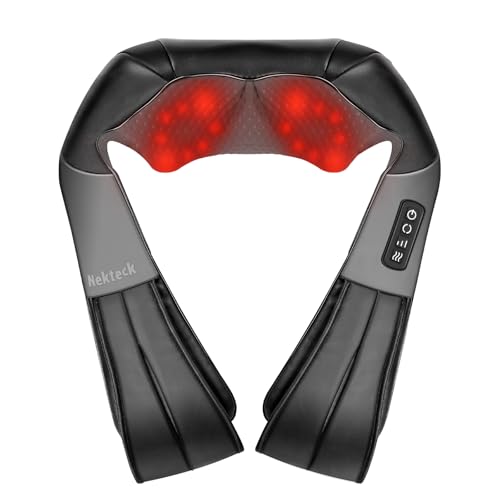
Upgraded 16-Node Deep Tissue Shiatsu Massage: This Nekteck shiatsu neck back massager features 16 powerful deep-kneading massage nodes that deliver a professional-grade deep tissue massage. Effectively relieve neck stiffness, shoulder tension, muscle soreness, and back pain after long workdays or intense activity. Ideal as a neck and shoulder massager for daily stress relief

【Wireless Massager-Type C】Snailax cordless neck massager is powered by a rechargeable lithium-ion battery, so there's no need to stay near a power outlet while using it. A single full charge provides up to 180 minutes of relaxing massage, allowing you to enjoy wireless comfort anytime—whether at home, in the office, or on the go.
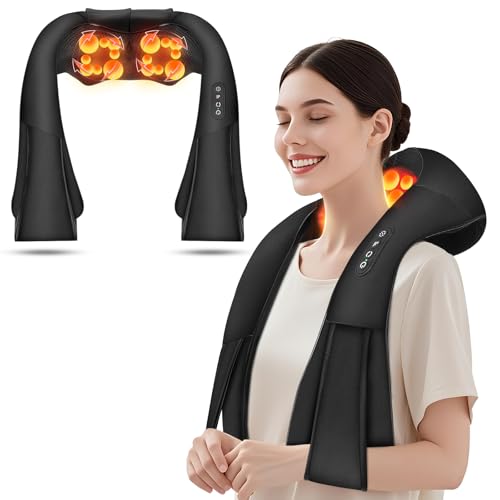
Note: Please fully charge it before first use. The massager cannot be used while charging.
Techniques Used in Massage Therapy
- Deep Strokes: These techniques apply firm pressure, easing muscle tightness and helping us relax, while effectively reducing cortisol.
- Compression: This technique increases circulation and diminishes stress-induced cortisol, making it a wonderful option for overall stress relief.
- Wringing: By pulling soft tissues in opposite directions, wringing alleviates pain and tension, providing physiological benefits that support cortisol reduction. Back massagers can also complement physical therapy routines, enhancing the relaxation effects achieved through massage techniques.
Recommended Products

DEEPER KNEADING MASSAGE: Experience therapeutic relief with bi-directional rotation kneading massage heads. Heat neck massager can massage in two directions, easily switched with a one-button control. Perfect for mom, dad, wives, and husbands, it effectively targets the neck, back, waist, limbs, and shoulders, delivering the comfort every loved one deserves

Advanced 3D Deep Tissue Massage: Ease sore and stiff muscles with two soft silicone nodes on each side; Soothing kneading sensation penetrates through painful knots on your upper, lower back (lumbar area); Not cordless - must plug in 6 foot cord

★8 DEEP TISSUE KNEADING NODES: 8 kneading massage nodes provide deep massage to your tissues and muscles. Uses Shiatsu based therapy replaces the therapist wherever go to provide a soothing and relaxing experience to your strained muscles whether it is due physical strain on mental stress
Evidence Supporting Cortisol Reduction Through Massage
Scientific evidence shows that engaging in regular massage therapy not only feels great, but it can also lead to significant reductions in cortisol levels. Studies show reductions of up to 31% in cortisol, emphasizing its role in stress relief and relaxation. Research by Field et al. (2005) shows an average decrease in cortisol after massage sessions. While some findings vary, there’s a general trend in favor of massage’s relaxing effects. Moyer et al. (2011) highlighted statistically significant cortisol changes in children, indicating potential targeted benefits. Despite differing results, professionals agree that consistent massage therapy positively influences cortisol levels, enhancing overall well-being. Additionally, utilizing essential oils and aromatherapy during massage sessions can further amplify relaxation and stress reduction. With these insights, let’s discover how investing in regular massage therapy might just be a game-changer for our stress levels!
Understanding the Physiological Effects of Massage
When we talk about the effects of massage on our bodies, it’s important to recognize how it goes beyond relaxation. 1. Cortisol Reduction**: Studies show massage therapy can drop cortisol levels by up to 31%, providing essential stress relief. 2. Physiological Effects: The manipulation of soft tissues stimulates the parasympathetic nervous system, which leads to a lower heart rate and reduced stress hormones. 3. Improved Blood Circulation: This therapy enhances blood circulation, helping nourishments reach our muscles while reducing muscle tension. 4. Endorphin Release: Massage also prompts the release of endorphins, our body’s natural painkillers, promoting feelings of ease. When we choose regular sessions, we’re investing in sustained relaxation and a healthier mindset, making massage therapy a true game-changer in our wellness journey. Additionally, using pain relief devices** such as TENS units can complement massage therapy by providing targeted pain management and enhancing overall relaxation.
Emotional Benefits of Reduced Cortisol Levels
Discovering the emotional benefits of reduced cortisol levels can be a game-changer for our overall well-being. 1. Lower Anxiety**: With decreased cortisol, we can breathe easier and experience lower anxiety levels, making our daily lives more enjoyable. 2. Improved Mood: Regular massage promotes relaxation, enhancing our mood and providing a tranquil sense of calm. 3. Emotional Well-Being: Lower cortisol enhances our self-image and boosts confidence, essential for our emotional health. 4. Mental Clarity: As cortisol levels drop, we find a supportive environment for mental clarity, which allows us to refocus and think more clearly. 5. Increased Emotional Resilience: With the help of regular massage, we’re better equipped to manage symptoms of depression and anxiety, leading to stronger emotional resilience. 6. Enhanced Relaxation: Using massage seat pads with advanced Graphene Heating** can provide additional relaxation benefits by ensuring quick warm-up and uniform heat distribution, contributing to the reduction of cortisol levels.
Specific Situations Where Cortisol Reduction Is Beneficial
Cortisol reduction through massage can be a true game-changer for our health in various specific situations. 1. For those recovering from surgery, massage helps accelerate healing by diminishing inflammation and maintaining lower cortisol levels. 2. In high-stress situations, like job-related anxieties, incorporating therapy sessions into our routine allows us to manage stress effectively and stave off chronic issues. 3. In addition, during post-injury recovery, massage therapy can greatly alleviate acute pain, enabling more comfortable healing. 4. Regular therapy sessions build resilience, helping us maintain lower cortisol levels over time. This holistic approach not only reduces stress but also boosts our immune function and overall well-being, making massage a truly beneficial addition to our lives. Moreover, customizable massage options in modern chairs, such as those designed for seniors, can be tailored to individual needs, enhancing the benefits of therapy for cortisol reduction.
Recommended Products

Shiatsu Massage Reimagined: Experience deep, therapeutic kneading with Comrelax's back massager, featuring 4 rotating nodes that mimic the hands of a professional masseuse.

Full Back Immersive Massage:Comrelax back massager for chair features 8 vibration motors that precisely target key acupressure points from the shoulders, upper back, waist, and thighs. It deeply relaxes tense muscles and alleviates aches and soreness
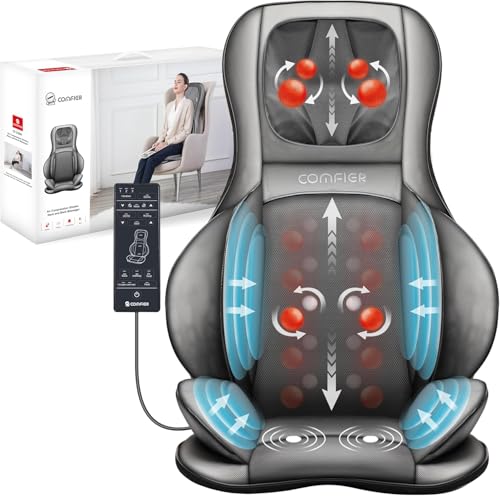
MULTI-AREA MASSAGE EXPERIENCE- The massage chair combines Shiatsu, Kneading, Rolling, compression,Kneading,Rolling,Vibration and Heat functions to help relieve muscle tension and stiffness across the neck and back during daily use.
Integrating Massage Into a Holistic Wellness Plan
Integrating massage into our holistic wellness plan can greatly enhance our overall health, making it a game-changer for managing stress and boosting well-being. 1. Lower Cortisol Levels: Regular massage therapy has emerged as a proven method to lower cortisol levels, reducing stress by up to 30%. 2. Improve Blood Flow: Techniques like Swedish and deep tissue improve blood flow, activating the parasympathetic nervous system. 3. Enhance Relaxation: By promoting relaxation, we can better handle daily pressures. 4. Emotional Well-Being: Regular sessions enhance the release of endorphins and serotonin, improving our emotional balance. 5. Long-Term Benefits: Commit to a wellness plan that includes massage therapy, and experience the lasting benefits of mental resilience and emotional stability in our lives.
Recommended Products

Vibration Massage: This massage seat cushion features 6 vibration motors, providing a soothing experience.(Note: This is a vibrating massage, not a shiatsu massage with rolling balls.)

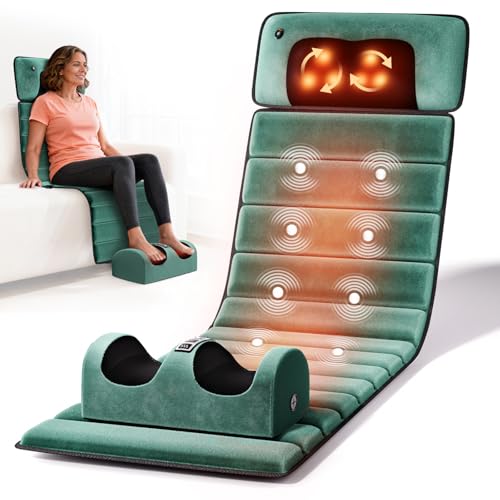
Versatile Design: Full-body massage mat with detachable neck massager featuring 10 powerful vibrating motors,3D shoulder and neck massage for personalized comfort,vibrations to relieve stress and fatigue.
Scheduling a Massage to Lower Cortisol Levels
When it comes to lowering cortisol levels and relieving stress, scheduling a massage can be a game-changer for many of us. 1. Immediate Stress Relief: Research shows massage therapy can reduce cortisol levels by up to 31% right after a session. 2. Long-Term Benefits: Regular sessions help us manage stress over time, enhancing our resilience. 3. Tailored Techniques: We can choose from various methods like Swedish or deep tissue, which effectively alleviate muscle tension. 4. Easy Booking: Many massage centers offer immediate appointments, allowing us to quickly access these stress relief benefits. By scheduling that massage, we’re not just indulging; we’re taking an essential step towards our overall well-being and hormonal balance. Embrace the benefits of massage therapy today!
Recommended Products

【 THREE TIRGGERS' SPECIAL DESIGN 】:This item has unique 3 triggers design, each of them with different angles, you can freely choose different angles according to your own situation and enjoy exclusive massage.

5-in-1 Wood Therapy Massage Tools Kit - Complete set includes engraved roller stick, 5-cube roller stick, sculpting board, wood cup, and mushroom massager. Perfect for full-body massage, relaxation, and body contouring at home or in the spa.

❤️ Size: 5.3x1.4x1.8inch(LxWxH).
Frequently Asked Questions
How Does Massage Lower Cortisol Levels?
Massage techniques lower cortisol levels through relaxation responses, promoting stress relief and hormonal balance. The soothing physical touch fosters body awareness, revealing therapeutic benefits that resonate deeply within us, nurturing our emotional and mental well-being.
What Immediately Lowers Cortisol?
We’ve found that immediate cortisol reduction can occur through breathing exercises, meditation techniques, physical exercise, warm baths, herbal supplements, deep relaxation, and positive affirmations. Each method offers unique benefits to help manage stress effectively.
What Emotion Is Cortisol Associated With?
Cortisol’s tied to stress response and often fuels anxiety reduction, emotional triggers, and hormonal balance. Together, we can explore how relaxation techniques enhance mood regulation, promoting our physical wellbeing and finding peace amidst life’s chaos.
How to Know if Cortisol Is Decreasing?
We can know cortisol’s decreasing through signs of relaxation, improved sleep quality, and tracking stress levels. Breathing exercises and benefits of massage may enhance immune system response, while cortisol testing methods confirm our progress effectively.