As an Amazon Associate, we earn from qualifying purchases. Some links on this site are affiliate links at no extra cost to you. Our recommendations are based on thorough research and editorial judgment.


How Sauna Bathing May Lower Dementia Risk

Sauna bathing can be a game-changer for brain health! By enjoying 4-7 sessions weekly at a cozy temperature of 80-99°C, we can lower our dementia risk by 66%. This practice boosts blood circulation, oxygenates our brains, and triggers neuroprotective proteins. Plus, frequent sauna use, ideally 5-14 minutes per session, keeps inflammation at bay. It’s a simple yet effective addition to a balanced lifestyle. Stick around to discover more fantastic benefits!
Key Takeaways
- Frequent sauna use (4-7 sessions weekly) can reduce dementia risk by 66% and Alzheimer’s risk by 65%.
- Sauna sessions promote neuroprotective heat shock proteins and reduce inflammation, benefiting brain health.
- Enhanced circulation during sauna bathing improves oxygen delivery to the brain, supporting cognitive function.
- Mild hyperthermia from sauna use aids in combating tau pathology, a factor in Alzheimer’s disease progression.
- Combining sauna bathing with a balanced diet and regular exercise maximizes overall cognitive health benefits.
Understanding Dementia and Alzheimer’s Disease
Dementia is a serious brain condition that many people might not fully understand. It includes symptoms affecting memory, thinking, and social abilities, and Alzheimer’s disease is the most common form. Understanding the risk factors for Alzheimer’s can be a game-changer for brain health. Aging, genetics, and cardiovascular issues play a role, but lifestyle modifications are essential too. Engaging in regular physical activity, a balanced diet, and even sauna bathing may positively impact cognitive function. Research suggests that these practices could potentially lower the risk of dementia. By prioritizing our brain health through informed choices and preventative strategies, we actively take control of our future and enhance our quality of life. Let’s explore these beneficial lifestyle habits that can potentially protect our minds! For instance, regular sauna usage contributes to improved blood circulation and detoxification, which are linked to overall wellness.
The Science Behind Sauna Bathing

When we think about ways to boost our brain health, sauna bathing stands out as a compelling option that deserves our attention. 1. Health Benefits**: Studies show that if we indulge in 4-7 sauna sessions per week, we may lower our risk of dementia by 66% and Alzheimer’s by 65% over 20 years. 2. Temperature Range: The ideal sauna temperature for health benefits is between 80-99°C; higher temps can increase dementia risk. 3. Neuroprotective Effects: Observational studies from Finland indicate that frequent sauna use correlates with lower dementia risks. 4. Cardiovascular Boost: Sauna bathing improves vascular function and lowers blood pressure, providing essential health benefits that relate to cognitive function. Consistent use of high-quality materials** in personal wellness tools, such as sauna bathing and massage rollers, can enhance overall health and well-being. So, let’s embrace sauna sessions as a potential game-changer for our brain health!
Recommended Products

Two Person Spa: 2-person interior space size, luxurious sauna dimension-5.9' ft x 5.9' ft x 6.23' ft (1800*1800*1900mm). This sauna provides ample room for two, making it perfect for cozy moments with a partner or rejuvenating alone. Attention: The control panel is inside of the sauna

Two Person Spa: 2-person interior space size, luxurious sauna dimension-5.9' ft x 5.9' ft x 6.23' ft (1800*1800*1900mm). This sauna provides ample room for two, making it perfect for cozy moments with a partner or rejuvenating alone

Efficient 360° Heating Panels: Built with natural Canadian hemlock wood and 7 dynamic ultra-low EMF carbon infrared panels for faster heat-up and energy-saving performance.
Sauna Frequency and Its Impact on Brain Health

Sauna bathing can be a real game-changer for brain health, especially when we focus on the frequency of our sessions. 1. Consistent Usage Matters: Research shows that sauna frequency plays a key role in reducing dementia risk. Those who use saunas 4-7 times a week have a striking 66% lower risk of developing Alzheimer’s disease. 2. Ideal Conditions: The ideal sauna temperature range is between 80-99°C, promoting better blood flow and aiding brain health. 3. Regular Benefits**: Regular sauna usage, even just 9-12 times a month, can give us a 21% lower risk of dementia. By committing to a more frequent sauna routine, we’re investing in our long-term cognitive well-being. So, let’s embrace this powerful health tool! Additionally, incorporating red light therapy** into your sauna sessions can enhance muscle recovery and skin health, further contributing to overall wellness.
Recommended Products
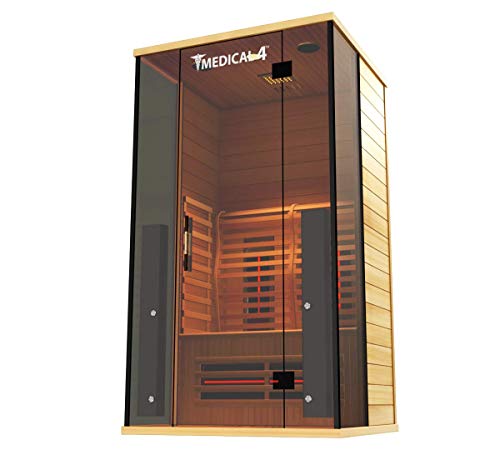
👨⚕️ [DOCTOR-BASED] - The ONLY sauna designed by over 25 doctors, physical therapist, chiropractors, pain specialists and surgeons.

Luxurious Size: Our spacious home wooden sauna size is 5.9' ft x 5.9' ft x 6.23' ft( 1800*1800*1900mm), perfect size for families who want to enjoy the benefits of a sauna in your house and gym

Luxurious Size: Our spacious home wooden sauna size is 5.9' ft x 5.9' ft x 6.23' ft( 1800*1800*1900mm), perfect size for families who want to enjoy the benefits of a sauna in your house and gym
Mechanisms of Heat Stress on Cognitive Function
To boost brain health, understanding the mechanisms of heat stress on cognitive function is essential. 1) Hyperthermia awareness: Regular sauna use raises our body temperature to 38-39°C, potentially lowering tau phosphorylation, which is significant in Alzheimer’s disease. 2) Neuroprotective benefits: This heat exposure encourages the production of neuroprotective heat shock proteins, helping fight neurodegenerative processes. 3) Inflammation reduction: Sauna bathing also promotes reduced inflammation and improved vascular function, which are important for our cognitive health. 4) Gene expression impact: Studies show that hyperthermia can induce beneficial gene expression changes that directly combat tau pathology. In addition, far infrared heating in luxury saunas promotes stress relief and detoxification, contributing to overall wellness and cognitive health. Together, these mechanisms reveal how sauna bathing is a game-changer for maintaining cognitive vitality and reducing dementia risk in the long run.
Enhanced Circulation and Brain Oxygenation
Enhancing our circulation and brain oxygenation through regular sauna bathing can be a true game-changer for cognitive health. 1) Boosting blood flow: As we relax in a sauna, our heart rate increases, leading to improved blood circulation, which is essential for our overall cardiovascular health. 2) Oxygen supply delivery: This uptick in circulation guarantees that our brain receives a greater supply of oxygen, critical for maintaining sharp cognitive functions and preventing memory decline. 3) Vascular health benefits: Research indicates that the heat from sauna sessions contributes to blood vessel dilation, effectively reducing hypertension—factors closely linked to dementia risk. 4) Neuroprotective protein production: Enhanced brain oxygenation supports neuronal health and stimulates the production of important neuroprotective proteins, helping us safeguard our minds as we age. Additionally, the use of sauna relaxation massagers with adjustable heat settings can further enhance the relaxation experience and promote circulatory benefits.
Anti-Inflammatory Effects of Sauna Usage
As we explore the many benefits of regular sauna use, it’s exciting to see how it also acts as an anti-inflammatory powerhouse. 1) Reduced inflammation markers: Studies show that individuals who frequently enjoy sauna sessions have lower levels of inflammatory markers, which may lower their risk of Alzheimer’s disease. 2) Improved vascular health: Regular sauna usage can enhance vascular function and blood flow, reducing inflammatory responses linked to chronic brain conditions. 3) Neuroinflammation prevention: By minimizing inflammation, we can help reduce neuroinflammation, a critical factor in Alzheimer’s progression. Embracing this enjoyable routine not only warms us up but is truly a game-changer for our brain health. The safety features found in modern infrared saunas, such as overheating protection and flame-resistant materials, ensure a safe and effective experience. So, let’s plunge into sauna sessions to harness these significant anti-inflammatory effects!
The Role of Heat Shock Proteins
When we think about boosting our brain health, the role of heat shock proteins (HSPs) can’t be overlooked. 1) Protection against neurodegenerative processes: HSPs are essential proteins our bodies produce under thermal stress, working to shield neurons from damage linked to Alzheimer’s disease. 2) Induction via sauna: Regular sauna bathing can trigger these protective HSPs, potentially reversing tau protein damage tied to cognitive decline. 3) Promoting neuronal survival: The magic of HSPs is their ability to enhance protein folding and prevent harmful aggregation, important processes for sustaining brain health over time. Recent research also highlights that increased HSP levels correlate with reduced neuroinflammation, a key factor in neurodegenerative diseases. Infrared sauna chairs, known for their health benefits, can also be an effective tool in promoting relaxation and enhancing the production of HSPs. So, why not consider sauna bathing to support our ultimate brain health goals?
Thermal Regulation and Brain Health
Maintaining ideal thermal regulation is essential for our cognitive well-being, especially as we age. 1) Hypothermia risk: Research shows that abnormal thermoregulation, like hypothermia, can increase the risk of Alzheimer’s disease, emphasizing the importance of keeping our body temperature in check. 2) Benefits of sauna bathing: Regular sauna sessions, where temperatures reach about 38-39°C, can produce mild hyperthermia. This heat exposure boosts heat shock proteins, helping our brain fend off neuroinflammatory responses. Additionally, studies suggest that sauna use may reduce tau phosphorylation, which is tied to Alzheimer’s disease. By ensuring our body temperature is regulated, we’re not only promoting thermal regulation but also supporting our brain health. Incorporating sauna bathing into our routine can indeed be a game-changer for cognitive significance! Furthermore, far-infrared sauna blankets can offer similar benefits at home by promoting detoxification and improved circulation, ultimately supporting brain health.
Observational Studies Supporting Sauna Benefits
Observational studies show us there’s a compelling link between regular sauna bathing and lower dementia risk, and we can’t ignore these findings. 1) Significant risk reduction: A study involving 2,315 Finnish men indicated that those who sauna bath 2-3 times per week had a 21% lower risk of dementia, while those using the sauna 4-7 times weekly enjoyed an impressive 66% reduction. 2) Larger participant insights: Another investigation with nearly 14,000 participants revealed similar trends—those engaging in 9-12 sauna sessions monthly faced a 21% lower risk, with even better outcomes for those hitting the sauna 13-30 times monthly. 3) Temperature and duration: For brain health benefits, it’s best to sauna at 80-99°C for sessions lasting 5-14 minutes. Infrared sauna options can also provide detoxification benefits conducive to mental well-being, which may further support these findings. Let’s embrace these findings!
Recommended Products
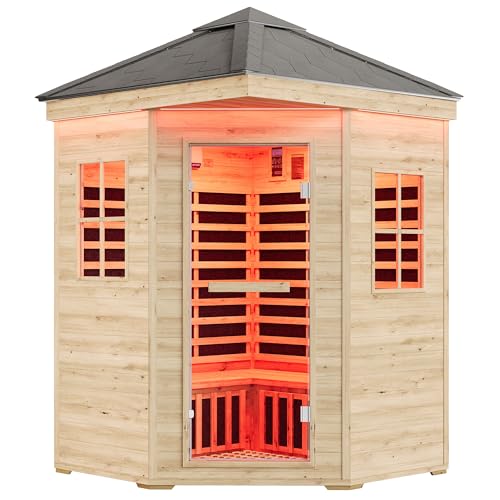
Built for Outdoor Durability: Designed with a premium asphalt shingle roof, ridge cover shingles, top cover and an integrated waterproof layer, this outdoor infrared sauna offers reliable, year-round protection against rain, humidity, and mold

4 Person capacity

Full Spectrum Infrared: Upgrade to a home sauna that offers the full benefits of infrared technology through NEAR, MID, and FAR infrared heat designed to support relaxation, circulation, and natural perspiration; Constructed from natural Canadian hemlock wood.
Safety Considerations for Sauna Use
Using a sauna can be a fantastic way to enhance our health, but it’s essential to prioritize safety first. 1) Consult your doctor: Before diving into regular sauna sessions, we should always check in with our healthcare provider, especially if we have conditions like low blood pressure or heart disease. 2) Stay hydrated: Dehydration can surge during sauna use, so drinking water before and after is crucial. 3) Watch out for medications: Some high blood pressure medications can amplify sauna effects, meaning we need to monitor ourselves closely. 4) Avoid alcohol: Alcohol can worsen dehydration and elevate heat-related health risks. By acknowledging these safety considerations, we can enjoy the wonderful benefits of sauna bathing while keeping our well-being in check. Additionally, using microfiber towels can enhance the sauna experience by efficiently absorbing sweat and promoting hygiene.
Recommended Products
![[Bundle] Far Infrared Sauna Blanket with Sauna Blanket Insert Towel Kit - 3 Pcs Luxuriously Soft Sauna Towel Insert Sack with Microfiber Face Towel, Headband & Bonus Waffle Insert Towel with Sauna Bag](https://m.media-amazon.com/images/I/41TlimYAf4L._SL500_.jpg)
EXPERIENCE ULTIMATE RELAXATION - Immerse yourself in the healing power of our infrared sauna blanket. Achieve deep relaxation as the infrared sauna bag envelops your body, soothing tired muscles. Unwind and recharge like never before!

Packed with a vacuum bag will make the rug little thinner,please let it flat on floor in the sun for 3 or 7 days ,it will be thick and big again.it’s soft and comfy. Size:6.23'x 7.87'(190*240cm),thickness:2CM

The information below is per-pack only
Practical Recommendations for Sauna Bathing
Embracing the benefits of sauna bathing opens up an exciting path towards better brain health, especially when done correctly. 1) Frequency matters: Aiming for 2-3 sauna sessions each week can yield a remarkable 21% reduction in dementia risk compared to less frequent use. 2) Session length: Each time we step into the sauna, we should plan for sessions lasting between 5 to 14 minutes, ideally at temperatures ranging from 80-99°C. 3) Hydration: Staying hydrated before and after sauna use is essential, as dehydration can counteract the potential brain health benefits. Finally, let’s remember the importance of a balanced diet and regular exercise; combining these practices with sauna bathing truly promotes ideal health benefits, strengthens cardiovascular health, and may further reduce dementia risk!
Recommended Products

【Luxurious Size】Our spacious home wooden sauna size is 74.8"W x94.5"D x74.8"H. Our barrel saunas are large enough for two people to lie flat or for 6-8 people to sit in the sauna at the same time and enjoy a traditional sauna. Outdoor sauna does not take up your indoor space

MODERN SCANDINAVIAN SAUNA DESIGN – Stylish Cube-Series outdoor sauna with a full glass front creates a luxurious and relaxing backyard wellness experience.

Dual Therapy Sauna – Experience both far-infrared dry heat and traditional steam sauna therapy in one unit. Combines 11 full-spectrum infrared heaters+ 3 Carbon infrared heaters(4600W) for deep detox & pain relief with a Harvia 6KW steam stove (6000W) for a traditional Finnish sauna experience. Switch modes to suit your mood or health needs, the two modes need to be used separately
Frequently Asked Questions
What Is the #1 Way to Reduce Dementia?
The #1 way to reduce dementia is through lifestyle changes. By prioritizing brain exercises, social engagement, a healthy diet, sleep quality, and stress management, we can collectively enhance our cognitive health and protect our brains.
What Vitamin Cuts Dementia Risk by 40%?
Vitamin D’s been shown to cut dementia risk by 40%. As we age, prioritizing cognitive health and brain function through dietary sources like sun exposure or supplements is essential for effective disease prevention in our aging population.
What Type of Sauna Is Best for Dementia?
For dementia benefits, we should consider traditional saunas, ideally at 80-100°C. Regular use, 4-7 times weekly, along with proper hydration post-session, enhances effects, while community saunas offer additional social benefits.
What Causes 70% of Dementia?
Did you know about 70% of dementia cases? Alzheimer’s disease and vascular dementia stem from risk factors like poor brain health, leading to cognitive decline and neurodegenerative disorders. Lifestyle choices can greatly influence these outcomes.