As an Amazon Associate, we earn from qualifying purchases. Some links on this site are affiliate links at no extra cost to you. Our recommendations are based on thorough research and editorial judgment.

How Heat Therapy Promotes Better Sleep

Heat therapy is a game-changer for better sleep! By using warmth at ideal temperatures, like 104°F for baths, we help relax our muscles and reduce stress. Regular sessions—60-90 minutes before bed—boost sleep quality and promote deeper sleep stages. Steam therapy works best at 100-110°F, while saunas shine between 140-160°F. Don’t forget a cool-down shower afterward! These easy routines can supercharge our nightly rest, ensuring a rejuvenating end to our day. Discover more great tips!
Key Takeaways
- Heat therapy aids mild insomnia by reducing night awakenings and enhancing overall sleep quality.
- Consistent use encourages deeper sleep stages, promoting tissue repair and memory consolidation.
- Warm baths improve blood circulation, ease muscle tension, and promote relaxation for better sleep.
- Scheduling heat sessions 60-90 minutes before bedtime helps maximize effectiveness without overstimulation.
- Incorporating calming elements like essential oils and gentle activities post-heat therapy supports optimal sleep.
Understanding Heat Therapy
You may be interested


4. Regular Benefits: With consistent use, we’ve found that heat therapy is especially beneficial for those with mild insomnia, leading to fewer night awakenings and better sleep cycles. A key advantage of heat enhances muscle relaxation is its ability to reduce stress and tension, promoting a more restful sleep. It’s time to embrace the warmth for better nights!
Benefits of Heat for Sleep Quality

When it comes to enhancing our sleep quality, using heat therapy can be a real game-changer. 1. Better Sleep Onset: Regular heat exposure, like warm baths, helps us fall asleep faster by reducing sleep onset latency. 2. Core Temperature Regulation: This therapy nurtures our core temperature drop, signaling our bodies to prepare for rest. 3. Deep Sleep Stages: Engaging in heat before bedtime amplifies deep sleep stages, promoting tissue repair and memory consolidation. 4. Physical Relaxation: Additionally, it encourages muscle relaxation through increased blood flow, alleviating tension that disrupts sleep. 5. Consistency: If we apply heat therapy about 1-2 hours prior to bedtime, we can achieve improved sleep quality with fewer night awakenings and more consistent patterns. Using heating functions in massagers can further enhance relaxation, improving both muscle recovery and sleep quality.
Recommended Products

Headache Sinus Pain Relief - Warm compress sinus mask filled with flaxseed & lavender, makes you indulge in the pure bliss of relaxation by blocking out ambient light, providing a mild lavender scent, and delivering deep, penetrating moist heat and promote blood circulation that provides gentle sinus compress to help relieve sinus pain, headaches, migraines, and dry eyes discomforts.

Self Heating Steam Eye Mask:2 Steps to use BeHoomi Steam eye mask, just open and put on, no need microwave or electric, an easier way to refresh your eyes. Moist heated Eye masks warm eye compress is comfortable to wear.

COZY GIFT OF DAILY COMFORT – Give the gift of comfort with a cozy electric throw designed for relaxation and warmth. A meaningful choice for birthdays, holidays, or “just because” gifts – perfect for moms and grandmas who deserve soothing comfort every day
Ideal Temperature Ranges for Heat Therapy

Finding the right temperature for heat therapy can be a game-changer in enhancing our sleep experience! 1. The ideal temperature ranges for heat therapy vary: for steam, we aim for 100-110°F (37-43°C), while sauna sessions benefit from 140-160°F (60-71°C). 2. These temperatures offer optimal heat therapy benefits by promoting relaxation and preparing our body for sleep. 3. After heat exposure, it’s essential to allow our core temperature to drop before bed. We recommend a post-heat cool-down protocol that starts with a lukewarm shower, easing into cooler water. 4. Finally, maintaining our bedroom at 60-67°F (15-19°C) supports better sleep quality, complementing the cooling effects of heat therapy. Let’s embrace these temperatures for improved rest! Shiatsu and heating functions in air massage chairs can also enhance muscle comfort, which is beneficial for relaxation before sleep.
Timing Your Heat Sessions
Timing our heat sessions can truly be a game-changer for achieving restful sleep! 1. To get the most out of heat therapy, we recommend scheduling our sessions 60-90 minutes before bed. This allows our body temperature to gradually decrease, signaling it’s time to wind down. 2. Aim for gentle heat exposure lasting 10-15 minutes in steam rooms and 15-20 minutes in saunas at lower temperatures, like 100-110°F for steam and 140-160°F for saunas. This enhances relaxation without overstimulation that could delay sleep onset. 3. Consider the health benefits of deep detoxification, improved blood circulation, and stress relief that can arise from such sessions. After our heat therapy, it’s important to engage in a cool-down routine, such as a lukewarm shower, to support the body’s cooling process, making us ready for a restful night’s sleep.
Effective Evening Routines
Next, we can incorporate a cool-down routine, like a lukewarm shower, to support our body’s natural cooling process. To enhance our bedtime routine, we should also integrate calming elements, such as essential oils or gentle breathing exercises, which provide a powerful relaxation effect. Adding a vibration massage cushion to your routine can further soothe sore muscles and reduce stress, as these devices are designed to target specific muscle groups with customizable settings. Following these steps makes sleep not just restful, but a game-changer in our nightly rejuvenation!
Recommended Products
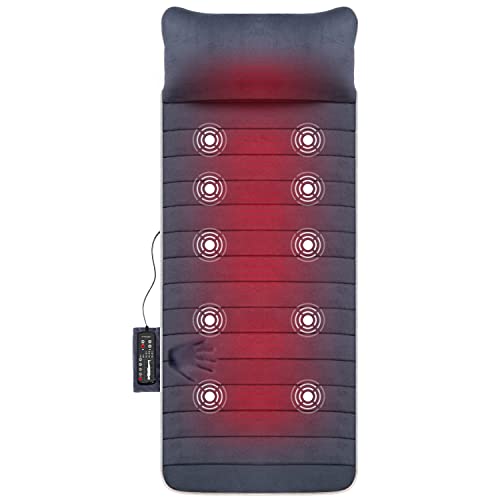
Note - This is NOT a shiatsu kneading massager with roller balls, this is a vibration massager only. DON’T BUY, if you are looking for a shiatsu massager.In addition, the electric motor may produce slight noise during operation.

Back Massager with Heat & Customizable Vibration Modes:COMFIER back massager with heat features 4 vibration intensity levels and 5 massage modes. With 8 built-in motors targeting the neck, back, waist, and thighs, this massage chair pad provides a tailored and full-body experience. Enjoy your personalized comfort at the end of a long day. (Only vibration massage, without shiatsu and roller.)

Note: This is only a Vibration back massager, not a Shiatsu Kneading massager. Do not buy this seat cushion if you are looking for a shiatsu massager with rolling balls.
Essential Cooling Techniques
Isn’t it incredible how essential cooling techniques can transform our sleep quality? After heat therapy, we should aim for a cool-down period of 10-15 minutes. This helps lower our core temperature, signaling it’s sleep time. 1. Shifting to a Cooler Room**: Moving to a dark room with temperatures between 60-67°F creates the ideal environment. 2. Lukewarm Showers: A lukewarm shower that gradually cools down can ease our body’s shift without sudden shocks. 3. Engaging Calm Activities: After heat therapy and cooling, we can relax with gentle activities like reading or stretching. By combining these techniques, we effectively decline our body temperature, promoting better sleep quality. Isn’t that a game-changer for our nighttime routine? You can also incorporate the use of a Shiatsu Foot Massager** with heat and vibration to enhance relaxation before bedtime, aiding in improved sleep quality.
Recommended Products
![Nekteck Shiatsu Foot Massager with Heat [2026 Upgraded], 3 Modes Deep Kneading Therapy Air Compression, Feet Massage for Plantar Fasciitis, Relaxation Gifts for Men Women Mom Dad Birthday](https://m.media-amazon.com/images/I/41ikpLvuPeL._SL500_.jpg)
Multi-Functional Foot Massager: Nekteck electric shiatsu foot massager features 3 preset massage modes, adjustable air compression intensity, and soothing heat. Targeting foot reflex zones and pressure points, it offers a customizable massage experience to enhance foot wellness and relaxation

Unique heated Ottoman design, Comfier FSA foot and calf massager can be folded to be a luxury ottoman foot rest (19.6”*15.3”) for home living room. It can hold your feet and legs up, which makes you feel more comfortable. The surface of the ottoman has an optional heating function that provides you with a perfect warm seat, also helps warm & relax your feet and legs, while you work in the office or at home.(This foot massager provides gentle, soothing heating, rather than high-temperature heat.)

FOOT MASSAGER FOR NEUROPATHY SUPPORT — 30 speed levels send targeted vibration through soles, arches & calves, relieving tired, achy feet after long hours of standing or sitting. Gentle enough for sensitive feet, powerful enough for deep relief.
Common Mistakes to Avoid
- Timing: Using heat therapy too close to bedtime can hinder sleep onset. Aim for 60-90 minutes before sleep!
- Intensity: Avoid intense heat or long sauna sessions. Stick to 10-15 minutes in steam rooms and 15-20 in saunas.
- Cooling Down: A lukewarm shower after heat therapy is key to gradually lower your core temperature.
- Post-Session Activities: Don’t jump into stimulating activities or screens. Focus on calming activities, like reading or meditation.
- Listening to Your Body: Adjust the heat with individual comfort levels in mind; what works for one may not work for you.
- Considerations for Choosing a Massage Gun: When selecting a massage gun, assess portability features, including weight and size, to ensure you’re making an informed decision. Additionally, look for options with customizable massage heads and speed settings to enhance your relaxation experience.
Expected Sleep Improvements Over Time
When we commit to regular heat therapy, it can truly transform our sleep patterns over time. 1. Initial Changes**: Within the first 1-2 weeks, we often find quicker sleep onset and less restlessness, thanks to the rise in our core temperature. 2. Improved Sleep Cycles: By weeks 3-4, the stability of our sleep patterns improves, leading to fewer awakenings during the night. This is a game-changer for our overall sleep quality! 3. Enhanced Morning Wakefulness: The benefits extend beyond sleep; as our nights improve, our daytime energy levels and mood get a noticeable boost. 4. Effective for Insomnia: For those facing mild insomnia, integrating heat therapy into our bedtime routine can reset those pesky disturbed patterns and enhance sleep architecture, leading to much-needed rest. Additionally, for individuals frequently on the go, using portable massage tables** with heat therapy can further enhance comfort and relaxation, facilitating improved sleep outcomes.
Special Considerations for Different Individuals
To guarantee everyone enjoys the fantastic benefits of heat therapy, it’s essential to take into account individual health needs and conditions. Pregnant individuals, for instance, should definitely consult a doctor before diving into heat therapy, as elevated body temperatures can pose risks to both mother and baby. People with cardiovascular concerns** or uncontrolled high blood pressure ought to seek medical advice before enjoying heat applications, such as saunas or warm baths, to confirm safety. Those prone to dizziness or lightheadedness should exercise caution during heat exposure and monitor their comfort closely throughout the session. Remember, hydration is important for everyone using heat therapy, ensuring healthy circulation and better recovery, especially for those wanting to improve sleep quality and combat insomnia. Some infrared panels can reach 248F** in just 3 minutes, making them an efficient option for heat therapy, but caution should be taken to avoid excessive heat exposure.
Enhancing Sleep With Environmental Factors
Creating an ideal sleep environment can be a game-changer for our nightly rest. 1. Ideal Heat Exposure**: Taking a warm bath around 104°F (40°C) for 20-30 minutes, one to two hours before bedtime, can greatly enhance relaxation and prepare us for sleep. 2. Bedroom Temperature: It’s crucial to keep our bedroom temperature between 60-67°F after enjoying the heat. This cooler setting promotes restorative sleep stages and boosts sleep quality. 3. Muscle Relaxation: The warmth from the bath increases blood circulation and eases tight muscles, further enhancing comfort. By incorporating these heat therapy strategies into our routine, we can create a cozy atmosphere that encourages better sleep, leaving us refreshed and ready for the day ahead. Using heated foot massagers** can also aid in muscle relaxation and stress relief, making them an excellent addition to a bedtime routine for promoting better sleep.
Frequently Asked Questions
Does Heat Therapy Help Sleep?
Absolutely, heat therapy helps our sleep! By integrating heat applications into our bedtime routines, we enhance sleep quality through muscle relaxation, temperature regulation, and stress relief—promoting a more restful and rejuvenating night’s sleep together.
What Is the 10 3 2 1 Rule for Sleep?
The 10 3 2 1 rule for sleep emphasizes sleep hygiene strategies: we’ll skip caffeine 10 hours prior, limit alcohol 3 hours before, avoid eating 2 hours ahead, and reduce screens 1 hour before bedtime.
Does Heat Improve Sleep?
Yes, heat can improve sleep. By enhancing our sleep environment and body temperature, it aids relaxation techniques. Incorporating heat into our nighttime routine can enhance sleep quality and guarantee ideal thermal comfort for better rest.
Does Heat Make You Fall Asleep Faster?
Though we’d think cold’s best for sleep, heat actually helps us fall asleep faster. By raising our body temperature, we embrace relaxation benefits, enhancing our sleep onset and crafting a cozy nighttime routine in our sleep environment.