As an Amazon Associate, we earn from qualifying purchases. Some links on this site are affiliate links at no extra cost to you. Our recommendations are based on thorough research and editorial judgment.

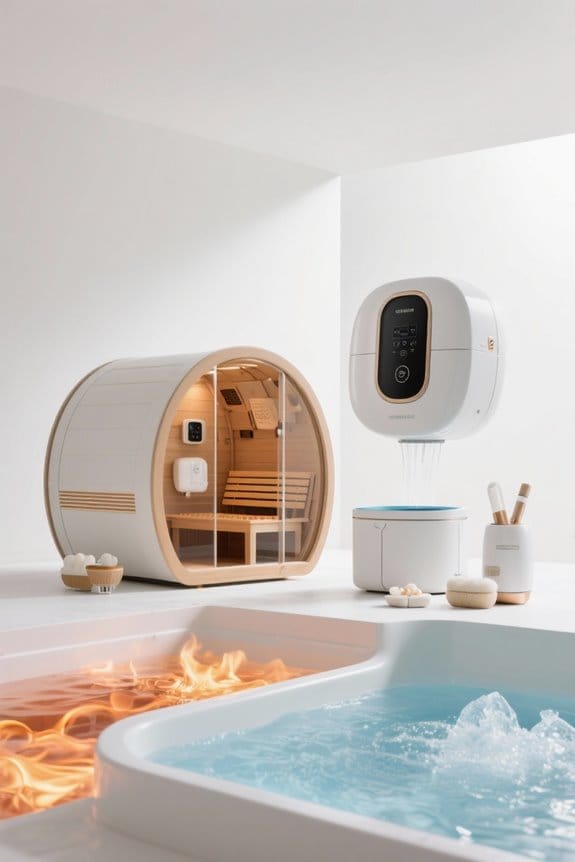
How to Safely Transition From Hot Sauna to Cold Plunge

To safely shift from a hot sauna to a cold plunge, we should follow some essential guidelines. 1. Start small**: Limit cold immersion to just 1 minute initially, then gradually increase as we adjust. 2. Monitor our bodies: Look for any signs of distress, like shivering. 3. Breathe: Utilize controlled breathing to manage cold shock. 4. Wait**: Allow 2-5 minutes for body adjustment post-sauna. Following these steps can make our experience a game-changer for wellness, and there’s more we can explore together!
Key Takeaways
- Begin with short sauna sessions of 10-15 minutes to acclimate your body gradually before transitioning to cold exposure.
- After sauna use, take a 2-5 minute break to allow your body temperature to stabilize.
- Limit initial cold plunge immersion to 1 minute and gradually increase the time as your tolerance improves.
- Use controlled breathing techniques during the cold plunge to manage cold shock response effectively.
- Monitor for signs of distress, and exit the cold environment if you experience shivering or disorientation.
Understanding the Risks of Transitioning From Sauna to Ice Bath
When we think about the thrilling shift from a sauna to an ice bath, it’s essential that we comprehend the potential risks involved. 1. Health Risks** can range from cold shock to hypothermia, particularly during rapid temperature changes. 2. Cardiovascular Conditions make this change even riskier for individuals with underlying health issues. We should all be aware that proper acclimatization is vital. 3. Ice Bath Immersion should generally last no more than 1 to 12 minutes, depending on personal tolerance, to minimize adverse reactions. 4. Symptoms like shivering or disorientation are important signals; we must leave cold environments immediately if they appear. Knowing these details can help us enjoy the benefits without compromising our well-being! For those seeking additional relaxation methods, acupressure mats** offer a great way to manage stress and improve circulation.
Recommended Products

Synthetic hair hygrometer, temperature compensated

Sauna Thermometer and Hygrometer - Accurate monitoring, dual function - This 2-in-1 sauna thermometer and hygrometer can simultaneously measure temperature and humidity, with a temperature range of 0-120 ℃/32-248 ℉ and a humidity range of 0-100%, ensuring that you are always aware of the environmental conditions inside the sauna and enjoy an ideal sauna experience.

Premium Canadian Red Cedar Wood - Handcrafted from sustainable, high-quality solid wood. Each piece is polished to a smooth finish, offering a natural aroma and exceptional durability that withstands the harsh sauna environment for years.
Cold Shock Response and Its Effects on the Body

Stepping into an ice bath can feel like plunging into a game-changer for your wellness routine, but understanding the cold shock response is essential.
1. Cold Shock Response Overview****
This immediate physiological reaction from sudden cold exposure includes rapid breathing and a spike in blood pressure, which can present health risks for those with cardiovascular conditions. It’s important to note that the sudden exposure to cold can be particularly challenging for individuals with pre-existing health issues, and therefore consulting a healthcare provider is recommended before beginning such routines.
2. Hyperventilation Effects****
Gasping for air can lead to hyperventilation, making it harder to react safely in cold water.
3. Gradual Exposure Importance****
To minimize these risks, it’s important to gradually work up to colder temperatures.
Safe Practices for Sauna to Ice Bath Transitions
Shifting from the warmth of a sauna to a chilling ice bath can truly be a thrilling game-changer for our wellness routine. To safely embrace cold therapy, let’s follow some essential practices:
- Limit Initial Exposure: As beginners, we should start with just 1 minute in the cold plunge, gradually increasing our time as our bodies adapt.
- Take Breaks: After our sauna session, let’s take a 2-5 minute break to allow our bodies to adjust.
- Monitor Your Body’s Responses: Pay attention to any signs like shivering or disorientation, especially if we have cardiovascular conditions.
- Use Controlled Breathing Techniques: Focusing on our breathing will help us manage the cold shock response and improve circulation during immersion.
An additional step to enhance relaxation during such transitions is to consider using air compression massagers before or after the sauna session, as they promote better circulation and muscle relaxation.
With these practices, we can optimize our health and wellness safely!
Recommended Products

🧊[EXCLUSIVE ANTI-LEAK SHIELD] Our portable bathtub features an exclusive state-of-the-art sealing mechanism that guarantees no leaks. We've spared no effort to reinforce the seal with waterproof materials, preventing any unwanted spills or drips, giving you peace of mind during your recovery sessions.
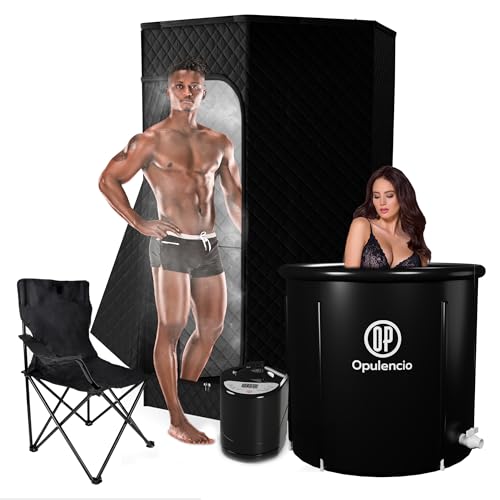
✅SPACIOUS DESIGN: Experience the ultimate relaxation with our spacious portable steam sauna tent, offering ample room for comfort. Suitable for adults of different sizes, you can stand or sit in it with the included chair. Our at home sauna ensures you enjoy the luxury of a portable steam sauna, making it one of the best home saunas available.
Gradual Acclimatization Techniques
After embracing the safe practices for sauna sessions, let’s look at how to help our bodies acclimatize gradually to cold exposure. Starting Small: It’s great to kick off with sauna sessions lasting just 10-15 minutes. This allows us to adjust comfortably. For cold water immersion, we should begin with a cold plunge duration of 1 minute, gradually working our way up to 12 minutes as we grow more accustomed. Using controlled breathing techniques can help us manage the cold shock response that we may feel. It’s essential to monitor our body reactions for any signs of distress. Additionally, incorporating infrared sauna wraps can enhance detoxification and circulation benefits during sauna use. Afterwards, jumping into a neutral temperature pool can help bring our body temperature back to normal, preventing abrupt temperature changes.
Recommended Products

Dwyer LCT316-100 is a low cost digital timer providing accurate countdown timing for a variety of applications including Commercial cooking equipment, dish washers and refrigeration units.

[Designed for Commercial Kitchens] - Track four dishes or tasks at once with this 12-channel commercial kitchen timer. Essential for those managing multiple dishes or tasks in restaurants, catering, food truck, or hotels where efficiency can’t be compromised. Perfect for strict timing on meat, egg, pasta, grill, sous vide.

Health Benefits When Done Safely
When we embrace the practice of alternating between sauna and cold plunge therapy, we unseal a treasure trove of health benefits that truly enhance our well-being. 1. Blood Circulation: This shift boosts overall blood flow, improving our cardiovascular health and increasing our energy levels. 2. Muscle Recovery: Cold plunges reduce inflammation, aiding in quick muscle recovery after workouts by healing micro-tears. 3. Stress Relief: Experiencing these temperature changes helps release endorphins, lifting our mood and reducing stress. 4. Enhanced Metabolism: Regular exposure to cold can activate brown fat, which promotes fat burning. By safely alternating between sauna and cold plunge, we’re not just investing in our physical health, but also building mental resilience. Some back massager cushions enhance relaxation and muscle recovery, complementing the benefits of sauna and cold plunge therapy. So let’s take the plunge!
Who Should Avoid Sauna to Ice Bath Transitions
Embracing the benefits of sauna and cold plunge therapy can be a game-changer for our health, but we need to be mindful of who should steer clear of these temperature shifts. 1. Cardiovascular Diseases****: Those with cardiovascular diseases should avoid changes due to cardiac arrest risks from extreme temperature shifts.
2. Pregnant Women**: Pregnant women are advised to skip this practice, as rapid temperature changes** can be risky for both mother and fetus.
3. Children and Elderly**: Kids and elderly individuals should also avoid these changes because they’re more vulnerable to cold shock and hypothermia**.
4. Pre-existing Health Conditions****: Anyone with respiratory issues or hypertension must consult a healthcare professional before attempting this.
Before trying sauna use, we should confirm we’ve acclimatized to both environments safely. It’s important to recognize that integrated heating features in zero gravity massage chairs enhance blood circulation, providing a safer alternative for those unable to undergo extreme temperature changes.
Key Takeaways
5. Consult First: We should always consult with a healthcare professional to guarantee we maximize the health benefits of improved circulation without risking our well-being. Additionally, incorporating infrared sauna accessories can enhance your experience and contribute to overall wellness by ensuring comfort, safety, and efficiency during sauna sessions.
Frequently Asked Questions
Is It Safe to Go From a Sauna to a Cold Plunge?
Yes, it’s generally safe for us to switch from a sauna to a cold plunge, considering individual tolerance and hydration. We should respect safety guidelines to minimize temperature shock and enhance skin health and post-exercise recovery.
Can I Go Back and Forth Between Sauna and Cold Plunge?
Yes, we can alternate between sauna and cold plunge! This contrast boosts blood circulation, enhances recovery routines, promotes muscle relaxation, and supports heart health. Let’s remember hydration strategies and manage our session duration for the best benefits.
How Long to Wait for an Ice Bath After a Sauna?
Like a swimmer slowly easing into cool waters, we should wait 2 to 5 minutes post-sauna. This duration’s essential for safety protocols, ensuring our body temperature adjusts for recovery benefits, skin health, and mental clarity.
Should Cold Plunge or Sauna Come First?
We believe starting with the sauna offers maximum benefits for muscle recovery and blood circulation, while following up with a cold plunge enhances heart health, mental clarity, and stress relief, ultimately boosting our immune system and hydration.