As an Amazon Associate, we earn from qualifying purchases. Some links on this site are affiliate links at no extra cost to you. Our recommendations are based on thorough research and editorial judgment.


How to Use Massage for Sciatica Pain Management

Massage can be a game-changer for managing sciatica pain, and we’re excited to share how! To start, consider deep tissue or trigger point therapy to target tension. Incorporating heat therapy during sessions can enhance relaxation. For DIY options, try foam rollers or tennis balls on aching areas. Don’t forget gentle stretches to further relieve tension. If symptoms persist or worsen, it’s time to connect with a professional. Stick with us, and we’ll share how to take your relief to the next level!
Key Takeaways
- Deep tissue massage targets tension in muscle layers around the sciatic nerve, alleviating pain and improving mobility.
- Incorporate heat during massage sessions to enhance muscle relaxation and provide extra relief from sciatic discomfort.
- Use DIY techniques like foam rolling and tennis balls to apply targeted pressure on painful trigger points at home.
- Regular massage reduces tension and promotes blood circulation, aiding in long-term pain management and recovery.
- Consult a healthcare professional for personalized massage techniques if symptoms persist or worsen despite self-care efforts.
Understanding Sciatica and Its Symptoms
You may be interested


Sciatica can be a real challenge for many of us, particularly when it starts affecting our daily lives. Understanding Sciatica is essential to managing its symptoms effectively. Sciatica occurs when pain radiates along the sciatic nerve, which runs from our lower back down through one leg. Common symptoms include lower back pain, tingling sensations, and even muscle weakness in the affected leg. Most often, a herniated disc causes this nerve compression, but conditions like spinal stenosis and piriformis syndrome can play a role too. These symptoms can vary widely in intensity, ranging from mild discomfort to debilitating pain that disrupts daily activities. Early recognition and seeking proper diagnosis from a healthcare professional is imperative for effective treatment. Regular usage of deep tissue relief massagers may aid in alleviating muscle tension associated with sciatica, offering additional comfort and relaxation.
Benefits of Massage for Sciatica Relief
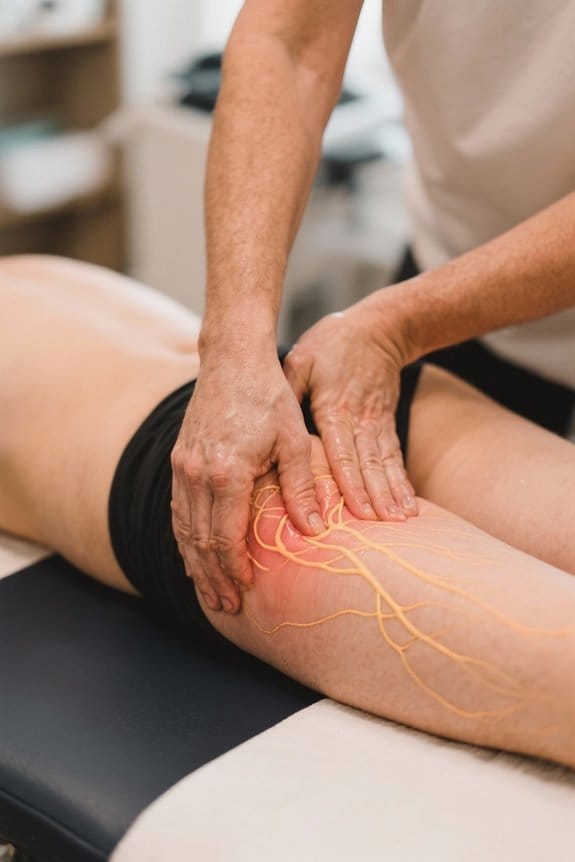
When we talk about finding relief from sciatica pain, massage therapy often stands out as a game-changer.
1. Effective Pain Management: Massage not only reduces tension but also targets trigger points, helping alleviate sciatic pain effectively.
2. Deep Tissue Benefits: Deep tissue massage can provide relief similar to anti-inflammatory medications, making it an excellent non-invasive option.
3. Blood Circulation: Improved blood circulation during therapy enhances tissue recovery, supporting long-term pain management strategies.
4. Relaxation: Regular massage promotes relaxation and reduces cortisol levels, which can greatly improve overall well-being for those suffering from sciatica. Incorporating heat in back massagers can further enhance muscle relaxation and pain relief, making massage therapy even more effective.
Whether you’re seeking a quick fix or long-term relief, incorporating massage therapy into your routine could be just what you need for effective sciatica relief.
Types of Massage Techniques for Sciatica

Exploring different massage techniques can be a game-changer for managing sciatica pain. Here are some of the most effective methods:
1. Deep Tissue Massage****: This technique focuses on relieving chronic tension in the deeper muscle layers surrounding the sciatic nerve, considerably helping lower back pain.
2. Trigger Point Therapy****: Targeting sensitive tight areas, this therapy alleviates radiating pain and promotes increased mobility.
3. Myofascial Release****: By applying pressure to the fascia, we eliminate movement restrictions and decrease pain around the sciatic nerve.
4. Active Release Technique (ART): Combining pressure with stretching, ART effectively treats soft tissue injuries linked to sciatic discomfort.
5. Acupressure**: This method applies targeted pressure on specific pressure points to enhance circulation and reduce inflammation, supporting overall sciatic pain** management.
Incorporating massage chairs with customizable intensity levels can further enhance sciatica pain relief by providing targeted and personalized massage experiences.
DIY Massage Techniques for Sciatica Management
After exploring various professional massage techniques that provide significant relief for sciatica pain, we can embrace the empowering world of DIY massage. Here are some effective, easy strategies to help relieve your pain:
- Foam Roller: Rolling out the lower back and glutes releases muscle tension surrounding the sciatic nerve, increasing flexibility.
- Tennis Ball: Use this handy tool to apply pressure on painful trigger points in the buttocks and lower back for targeted relief.
- Piriformis Stretch: Pulling your knee toward your chest while lying on your back helps ease tightness in the piriformis muscle.
- Self-Massage: Gentle kneading and using menthol or eucalyptus creams can boost relaxation, enhancing overall comfort and effectively relieving sciatica pain.
Many handheld shower massagers offer therapeutic massage settings that can complement these techniques by providing muscle relief and relaxation. These techniques are game-changers for our daily comfort!
Tips for Finding a Qualified Massage Therapist
Finding a qualified massage therapist can be a game-changer in managing sciatica pain effectively. Here are some tips to help us:
1. Seek Referrals: Ask friends, family, or healthcare professionals for recommendations. A trusted massage therapist familiar with sciatica can be invaluable.
2. Licensed Professionals: Utilize the American Massage Therapy Association’s locator service to find licensed massage therapists.
3. Communicate Needs: When scheduling, clearly articulate your specific needs and preferences regarding techniques to guarantee a better experience.
4. Experience Matters: Inquire about the therapist’s experience working with patients suffering from sciatica and their knowledge of effective modalities for pain relief.
5. Read Testimonials: Check online reviews to gauge the quality of care provided by potential therapists, helping us make an informed decision.
6. Consider Foot Massagers: Some models such as Nekteck and RENPHO can enhance relaxation and target specific pain points, offering an additional method to manage discomfort.
Integrating Stretching and Exercise With Massage
Integrating stretching and exercise with massage therapy can truly be a game-changer in managing sciatica pain. By incorporating stretching exercises like the Piriformis stretch and Cat-Cow pose, we can enhance massage therapy for sciatica. This helps relax the muscles around the sciatic nerve and boosts flexibility. Regular core strengthening exercises provide support to our spine, which helps reduce nerve compression. Engaging in low-impact activities like walking or swimming improves our overall mobility and decreases sciatic pain episodes. A structured self-care plan combining both massage and gentle stretching leads to sustainable pain relief. Working with a healthcare professional guarantees that our exercise regimen maximizes benefits for long-term relief. Massage sticks effectively reduce post-exercise soreness and enhance circulation, benefiting recovery times and muscle performance.
When to Seek Professional Help for Sciatica
Managing sciatica pain effectively often relies on a combination of at-home methods, but there comes a time when seeking professional help is the best option.
1. Persistent Pain**: If we experience sciatica pain relief** that doesn’t happen within a week, we should consult a healthcare provider for a proper evaluation.
2. Severe Symptoms****: We must seek immediate medical attention if we lose bowel or bladder control, face significant leg weakness, or have severe numbness.
3. Chronic Pain****: Ongoing sciatica, refusing to improve with rest, warrants a visit to a professional for a tailored treatment plan.
4. Accompanying Symptoms****: Don’t ignore symptoms like fever or unexplained weight loss, as they could point to a serious underlying cause that needs urgent care.
To supplement professional treatments, some individuals may find relief using massage tools designed for deep tissue relief and increased circulation.
Knowing when to reach out for help can be a game-changer!
Frequently Asked Questions
How to Massage Out Sciatic Nerve Pain?
To massage out sciatic nerve pain, we can incorporate deep tissue techniques focusing on trigger points. Using foam rollers and stretch exercises, we’ll relieve muscle knots, enhancing relaxation techniques for effective sciatica treatment and lasting pain relief.
Where Are the Points to Massage for Sciatica?
We can focus on acupressure points in the lower back and gluteal region, using foam rolling for trigger points in hip flexors. Incorporating deep tissue techniques and stretching, we’ll enhance pain relief through self-massage.
How to Get Rid of Sciatic Nerve Pain During Pregnancy?
To get rid of sciatic nerve pain during pregnancy, we can focus on pregnancy comfort through safe massage techniques, targeted pressure points, and gentle stretches, promoting muscle relaxation and effective pain management amidst hormonal changes and posture adjustments.
Should You Massage Someone With Sciatica?
We shouldn’t hesitate to massage someone with sciatica, as it offers sciatica relief through muscle tension alleviation. By targeting pressure points, we can utilize both professional therapy and self-massage for effective relaxation techniques at home.